Hydropower generation in the US Southwest fell 28% between April and August, compared with the 10-year average, according to new data from the US Energy Information Administration (EIA).
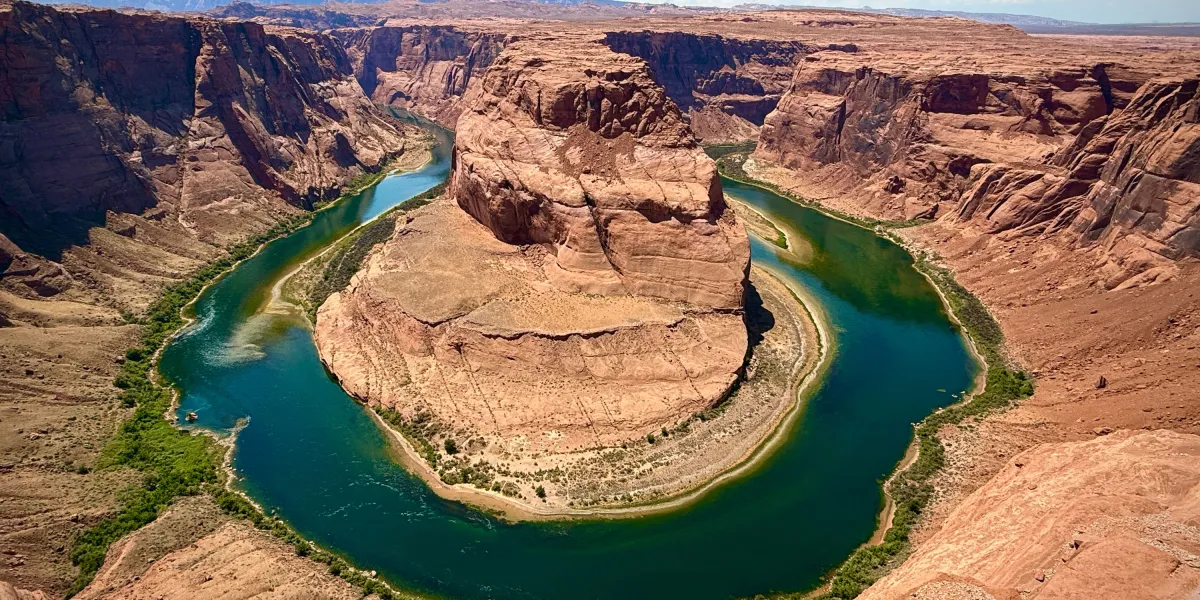
The drop follows an extreme, prolonged drought in the Colorado River Basin. Low water levels in the region's two largest reservoirs, Lake Powell and Lake Mead, have reduced the power available from dam-fed turbines. Most US hydropower plants rely on dams that hold back water in reservoirs, which can be released through turbines to generate electricity on demand.
Lake Powell stood at 3,518 feet at the end of September, less than 1% above the level needed to run water through the Glen Canyon power plant. Lake Mead was 9% above the 950-foot minimum required by the Hoover Dam power plant that month. Together, the two plants produced nearly seven terawatt-hours of electricity in 2025, enough to serve over 2 million people.
The Colorado River's flow depends heavily on snowpack in the Rocky Mountains, which supplies about 85% of its annual flow. The river has recently recorded record-low flows, and the region has been in drought for 27 years.
The report links climate change to the problem. It cites a 2022 review study that says