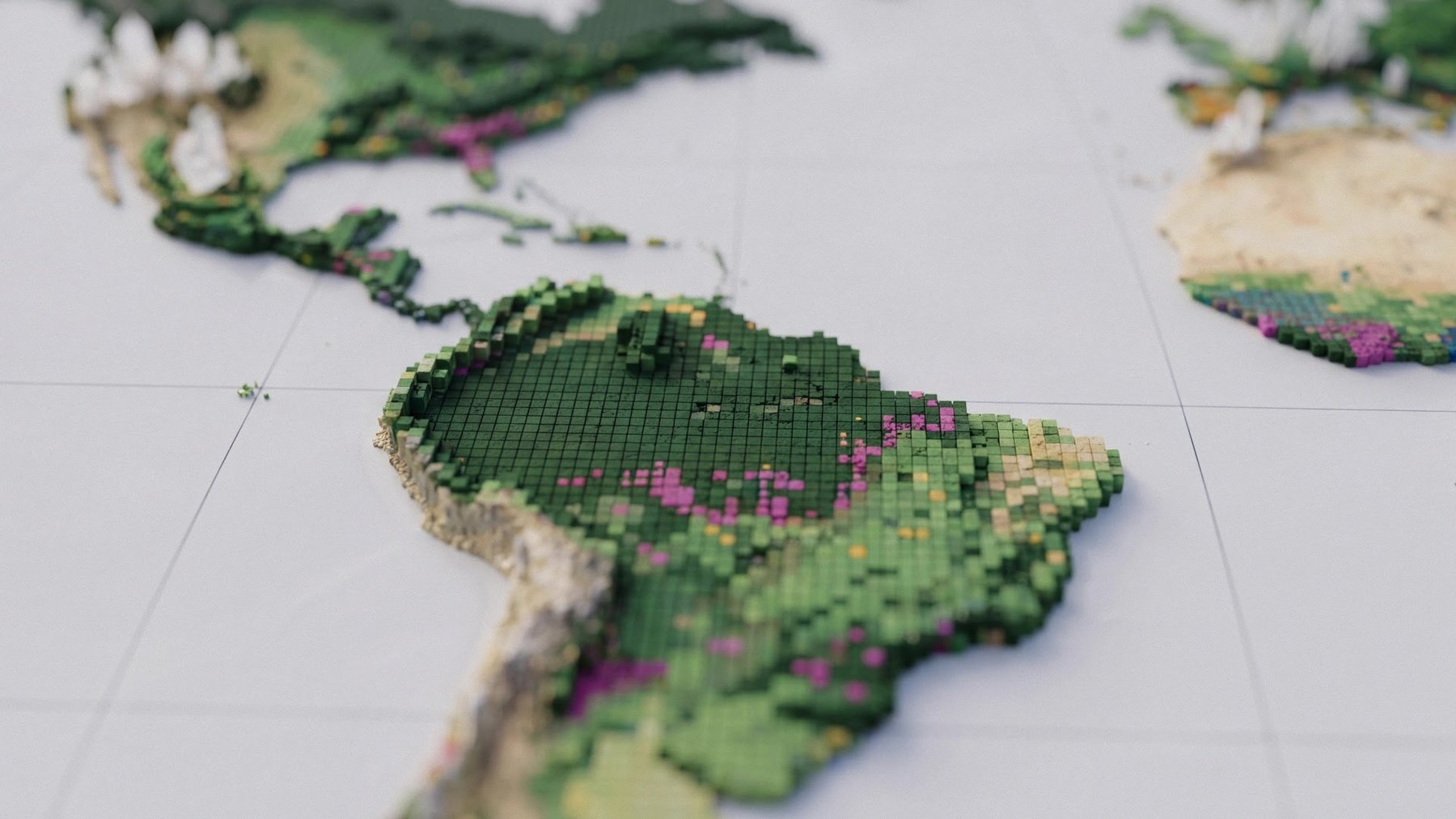
Google DeepMind and the World Resources Institute have built ForTy, a global map that goes beyond asking whether trees are present. It sorts land into six classes at 10-meter resolution, separating primary forest from naturally regenerating forest, planted forest, plantation forest, tree crops such as oil palm, rubber, or cocoa, and other land. For anyone trying to tell a pristine rainforest from an oil palm estate, that distinction is the whole game.
The project is driven by the EU Regulation on Deforestation-free Products, which bars goods linked to forest clearing or degradation after December 31, 2020. Companies need a reliable reference point for how a site was used in that year, and ForTy offers one. That is a genuine public good, and the report's description of how experts corrected about 43,000 training examples, including vineyards mislabeled as tree crops and oil palms missed in Africa and Indonesia, shows real effort.
The numbers, though, argue against treating this map as a finished verdict. The authors report 90.2 percent overall accuracy, but they warn that the score is inflated by the easy "other land" class. For tree crops and planted forests, the map found only about half of what experts confirmed, and roughly a quarter to a third of areas mapped as plantations or tree crops were misclassified. Those are the boundaries the EUDR cares about most.
Regional errors compound the problem. The map overestimates primary forest in Asia by about 200 million hectares, largely in Russia's conifer forests, and misses about 94 million hectares of African forest, likely open dry woodlands and savannas. The authors also note that about two-thirds of Sweden's forest is planted. Regulators and buyers should treat ForTy as a strong starting screen, with on-the-ground verification before any shipment is cleared or any company is penalized.
The fix is straightforward: publish the confidence scores prominently, add the open-woodland class the researchers say they want, and make verification by national authorities a standard step. ForTy is freely available under a CC BY 4.0 license, so independent audits can start now. A map this consequential should be tested by people outside the team that built it.