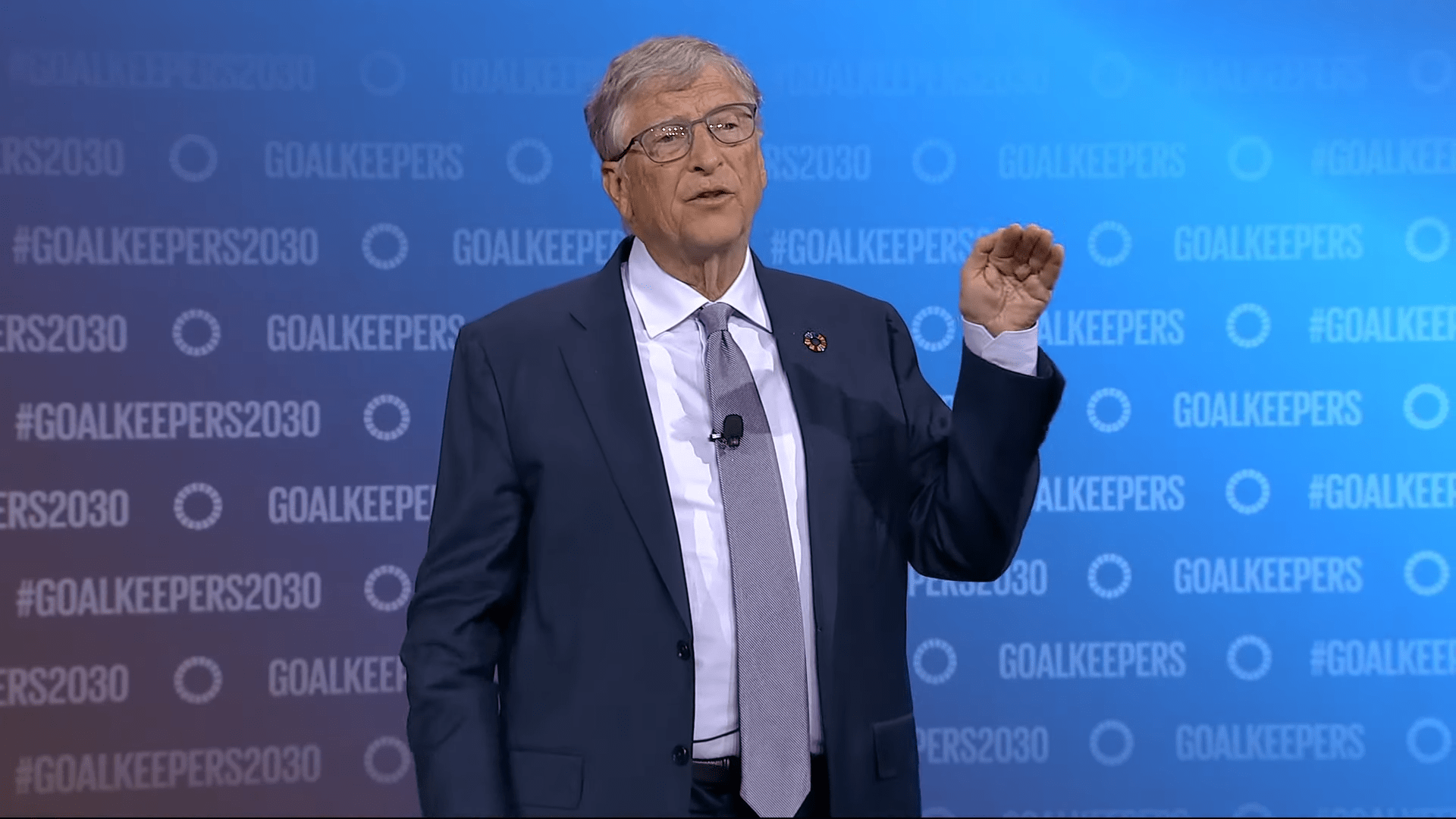
Bill Gates is putting a billion dollars behind artificial intelligence deployment in health, education, and agriculture over the next two years, despite his earlier warnings about AI's dangers. The Gates Foundation announcement represents a significant bet that the technology can solve problems in the developing world, even as Gates acknowledges the field remains deeply skewed toward wealthy nations.
The core problem Gates identifies is stark. More than 90 percent of training data for early language models came from English sources. Speech recognition systems fail 60 percent of the time when processing Yoruba, a language spoken by millions in Nigeria and neighboring countries. These gaps mean that AI tools built primarily for wealthy English-speaking populations perform poorly for the billions of people living in lower-income regions.
Gates argues that market forces alone will not fix these disparities. "The market is a terrible guarantor of equal opportunity," he states. Without direct intervention, commercial AI development will continue optimizing for the largest, most profitable markets. That leaves health diagnostics, agricultural advice, and educational tools inaccessible or unreliable for populations that need them most.
The Gates Foundation's billion-dollar commitment targets three sectors where AI can have outsized impact. In health, AI-powered diagnostic tools could help detect diseases in regions with limited access to trained radiologists or pathologists. In agriculture, language models tailored to local crops and climates could provide farmers with real-time pest management and yield optimization advice in their native languages. In education, personalized learning systems could adapt to students whose primary language falls outside the English-dominant training sets that define current AI capabilities.
This investment reflects a growing recognition within the AI industry that building models for global use requires deliberate, costly work. Fine-tuning systems for non-English languages, sourcing training data from diverse regions, and testing performance across different populations all demand resources that pure market incentives do not provide. OpenAI, Anthropic, and other major labs have begun investing in multilingual capabilities, but progress remains fragmented and incomplete.
Gates has been outspoken about AI risks. He has warned that the technology poses existential threats if deployed without proper safeguards. Yet he distinguishes between the risk of advanced AI systems and the urgent need to deploy current AI capabilities where they can reduce suffering. That duality explains why he can warn of danger while simultaneously investing heavily.
The timing matters. AI adoption in the developing world currently lags dramatically behind wealthy nations. If that gap persists, it could deepen global inequality rather than reduce it. Gates appears to view the billion-dollar commitment as a necessary correction, channeling AI progress toward problems that markets ignore.
The foundation will likely direct funds toward open-source models, local research teams in developing nations, and partnerships with institutions already working in health, agriculture, and education. The goal is not to create proprietary AI systems but to make existing and emerging tools accessible and functional for populations currently underserved.
This bet ultimately hinges on whether focused investment can overcome the structural incentives that created the disparities in the first place. If successful, the Gates Foundation's approach could establish a template for ensuring AI benefits reach beyond the wealthy world.