# Farmers Remain Skeptical of John Deere's Self-Repair Service, Despite Availability
John Deere launched a self-repair service allowing equipment owners to diagnose and fix their own tractors and machinery. The initiative emerged after years of farmer complaints about repair monopolies and the rising cost of authorized service. Yet adoption remains weak, revealing a gap between what the company offers and what farmers actually need.
The service provides farmers access to repair documentation, diagnostic tools, and replacement parts directly. This represents a shift in John Deere's historically closed ecosystem, where farmers faced expensive authorized dealer visits for even routine maintenance. The manufacturer positioned the program as a response to right-to-repair activism and farmer frustration with locked-down equipment.
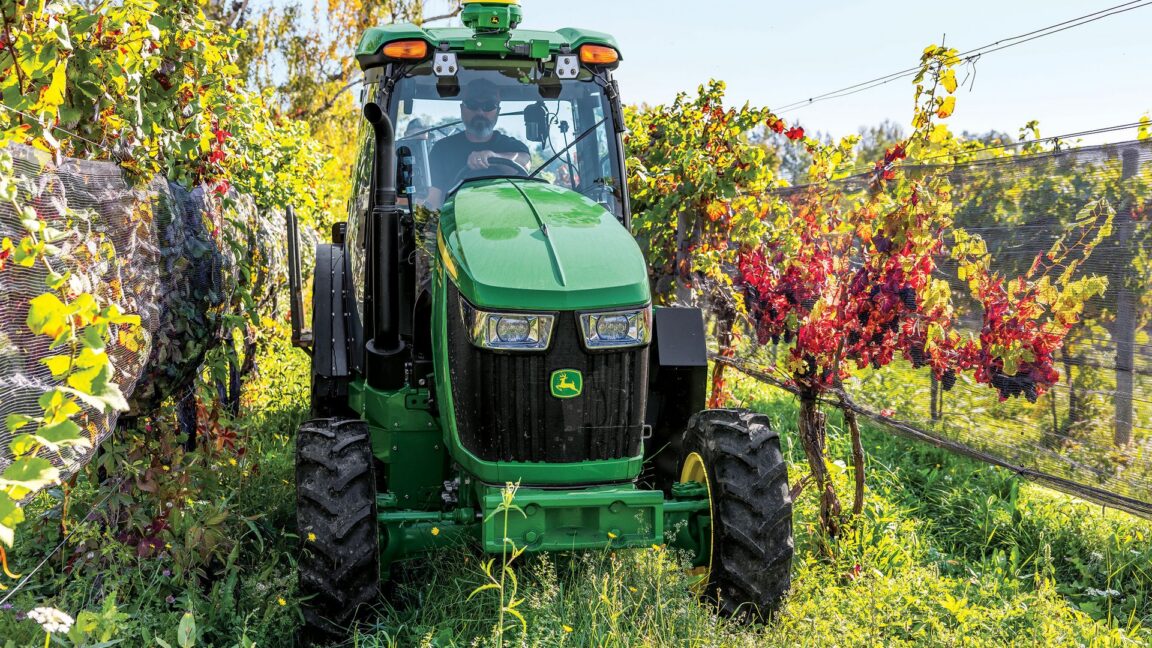
One farmer successfully completed a tractor repair using the service, documenting the process. The repair worked. The machinery ran. Yet the experience exposed structural problems limiting broader adoption.
The core issue centers on accessibility and practicality. John Deere's self-repair documentation exists, but farmers report it remains incomplete or difficult to navigate. Diagnostic tools require specific equipment and technical knowledge many operators lack. Parts availability through the self-repair channels remains inconsistent. Dealers still control much of the supply chain, undercutting the independence the program promises.
Cost presents another barrier. While authorized repair visits are expensive, performing major repairs yourself demands time, space, and equipment investment. Smaller operations cannot justify buying specialized diagnostic hardware for occasional use. The financial math breaks down for farms operating on thin margins.
Trust factors into the equation too. Farmers grew accustomed to dealer responsibility for warranty issues and reliability guarantees. Self-repair eliminates that safety net. A mistake during DIY maintenance voids warranties and leaves the owner liable for consequential damages. The liability risk discourages experimentation, particularly for older or heavily-used equipment where failure costs spike dramatically.
John Deere's timing also matters. The company launched the program after reputation damage from aggressive anti-repair enforcement. Farmers remember lawsuits and firmware locks preventing unauthorized repairs. A single positive program does not erase years of antagonistic behavior. Trust rebuilds slowly in agricultural communities where equipment reliability directly impacts livelihood.
The service also faces competition from independent repair shops and underground modification communities. Farmers discovered workarounds and alternative repair networks during years of John Deere restrictions. These ecosystems now offer parts, documentation, and services the official self-repair program struggles to match. Switching costs favor existing relationships.
Industry consolidation complicates matters further. John Deere commands roughly 40 percent of the North American tractor market. Smaller competitors offer more repair flexibility, attracting farmers prioritizing independence. But John Deere equipment dominates used machinery markets, trapping many farmers in the ecosystem regardless of preferences.
John Deere's self-repair service represents policy movement in the right direction. The company recognized farmer needs and created infrastructure to address them. Yet the program exposes how deeply equipment dependency runs. Real solutions require more than tools and documentation. They demand pricing alignment with actual costs, genuine warranty protections for self-repair, supply chain access matching dealer-level availability, and years of demonstrated commitment to farmer autonomy.
Until those conditions materialize, farmers will continue viewing the service skeptically. Tokens of reform matter less than systemic change reshaping manufacturer-farmer relationships fundamentally.