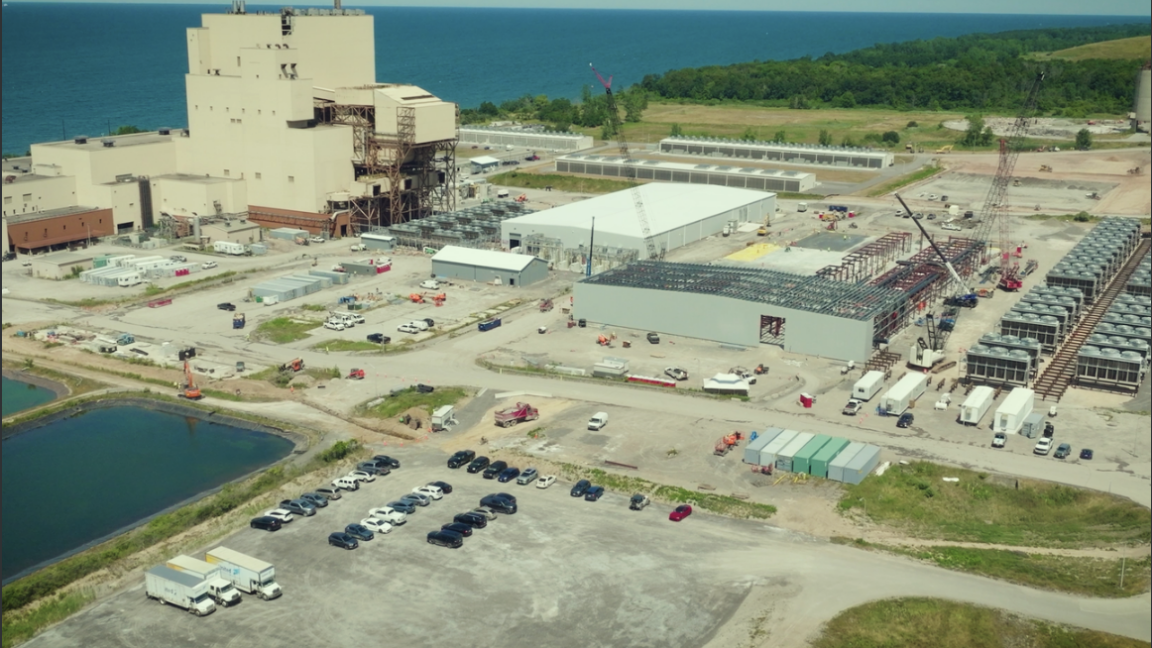
# The Complex Corporate Web Behind a $3.2 Billion AI Data Center
A $3.2 billion AI data center project reveals a thorny problem in modern infrastructure development: when multiple corporations share ownership and operational control, accountability evaporates.
The project involves numerous stakeholders across different jurisdictions and corporate structures. This fragmentation creates gaps where environmental violations, labor disputes, or safety failures can slip through without clear responsibility. No single entity owns the problem entirely, yet each claims limited liability.
Data centers consume enormous amounts of electricity and water. They generate heat and require specialized cooling systems. In a multi-corporate setup, environmental compliance becomes a shell game. Does the land owner monitor emissions? The operator? The energy supplier? The financier? Each party can argue that another bears primary responsibility.
This structure echoes tactics used in other industries. Pharmaceutical companies use subsidiary firms to shield parent corporations from litigation. Oil companies partner with contractors to obscure accountability chains. Real estate developers work through special purpose entities that dissolve after construction completes.
The $3.2 billion investment represents real capital and real consequences for communities hosting these facilities. Yet the corporate structure ensures that if problems emerge—contaminated groundwater, grid strain, workforce exploitation—no executive can be held directly accountable. The subsidiary can declare bankruptcy. The operator can claim the parent company failed to provide resources. The financier can point to contractual clauses limiting their oversight.
Regulatory bodies struggle with this reality. Environmental agencies inspect facilities but lack authority to compel parent companies to take responsibility. Labor departments investigate wage theft or safety violations but find themselves negotiating with shell corporations that own nothing. The structure persists because it works exactly as designed: it insulates decision-makers from consequences.
Some jurisdictions have begun requiring single-point-of-contact accountability, forcing one entity to guarantee performance across all partners. Others impose financial bonding requirements that increase the cost of using shell structures. But these safeguards remain inconsistent and often inadequate.
The data center sector will continue expanding. AI training and inference demand more electricity than traditional computing. More projects will follow this pattern, fragmenting ownership and diffusing responsibility. Communities considering data center proposals should demand clear accountability provisions before approval, including parent company guarantees, performance bonds, and direct liability for environmental and labor violations.
The $3.2 billion figure masks the true cost question: who actually pays when something goes wrong? In the current corporate structure, the answer appears to be everyone except the corporations that designed it.