A massive data leak has exposed over a decade of Valve's internal development history, revealing abandoned game builds, cut content, and early concepts for some of Steam's most anticipated titles. The leak, dubbed the "teraleak" for its 12-terabyte size, includes source code, design documents, and assets from multiple unreleased and shelved projects spanning from the early 2000s onward.
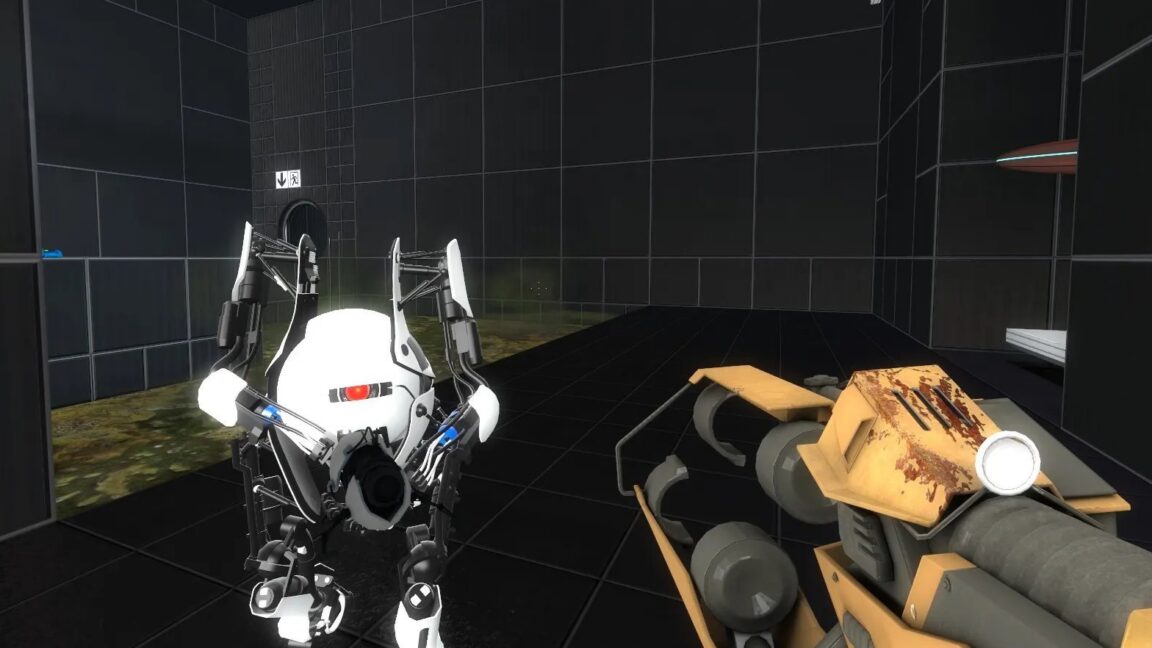
Among the most notable discoveries are substantial portions of *Portal 2* cut content that never made it to the final release. The leak also contains intriguing evidence of *Half-Life 2: Episode 3* development, a game fans have waited nearly two decades to see. That title, originally planned as the conclusion to the *Half-Life 2* episodic trilogy, was shelved in favor of Valve's eventual pivot to *Half-Life: Alyx* and its Source 2 engine.
The leaked materials reveal the technical decisions, creative pivots, and abandoned directions that shaped Valve's most iconic franchises. Source code for multiple engines, tools, and middleware appear in the dump, alongside developer notes and early prototypes. The sheer volume of material offers researchers, historians, and fans an unprecedented window into how modern game development functions at one of the industry's most secretive studios.
The timing and source of the leak remain unclear, though this represents one of the largest breaches of game development assets ever documented. The data includes content dating back to Valve's work on the original *Half-Life* and extends through projects abandoned or significantly modified over the past fifteen years. Some materials relate to cancelled games and experimental prototypes that the company has never publicly acknowledged.
For game historians and archivists, the leak presents both opportunity and concern. The unfiltered archive preserves development decisions, failed experiments, and creative reasoning that would otherwise remain lost to time. However, the release of proprietary source code and ongoing project details creates legal exposure for Valve and raises questions about the leak's authenticity and how it occurred.
The leak has already circulated through developer communities and archival forums, where researchers are systematically cataloging the contents. Some files appear related to Source Engine modifications, networking code, and internal build systems. Other materials touch on game design documents, character concepts, and level layouts for titles in various states of completion.
Valve has not publicly commented on the leak as of publication. The company has historically maintained strict control over its development process and rarely releases behind-the-scenes materials or cancelled projects. This involuntary disclosure stands in sharp contrast to that approach, flooding the internet with materials the studio clearly intended to keep private.
The leak extends beyond just games. Materials related to Steam's infrastructure, backend systems, and platform architecture also appear in portions of the dump. This raises security concerns beyond the game development sphere, though the age of much of the code may limit immediate practical risk.
For the gaming community, the leak answers long-standing questions about shelved projects and offers tangible proof of how drastically game design can shift during development. Whether this accelerates Valve's release of official archival materials or documentation remains to be seen. The company faces pressure from both fans and researchers to acknowledge the historical value of its development work.