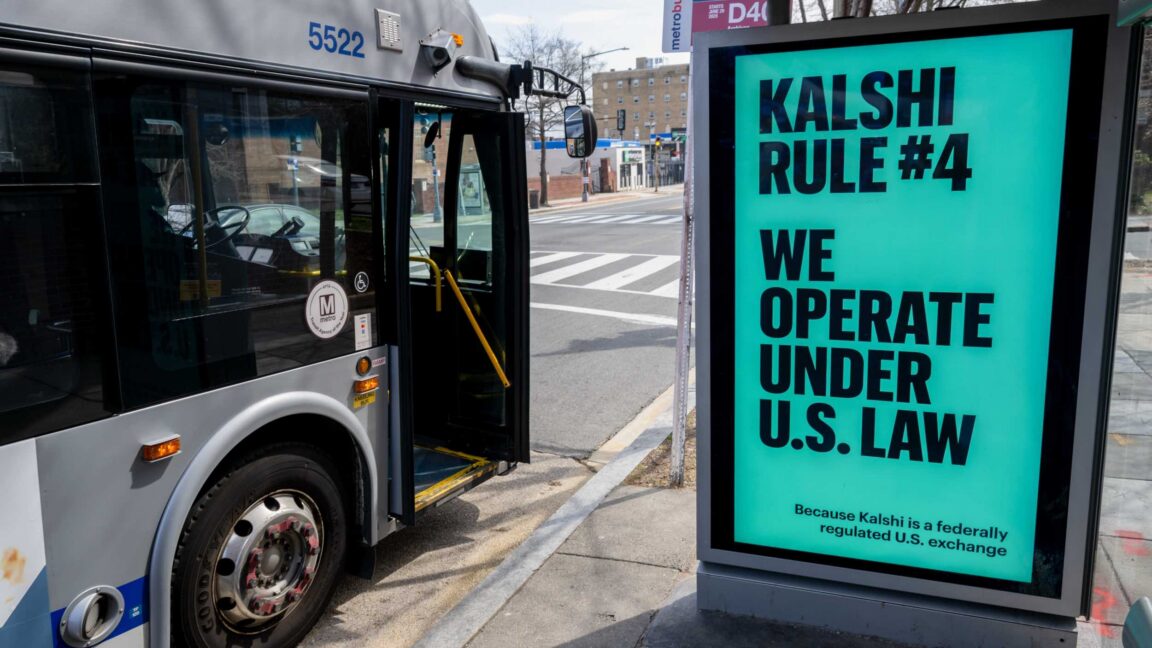
A federal appeals court has rejected Kalshi's attempt to circumvent Nevada gambling regulations by rebranding sports wagers as financial derivatives. The ruling marks a significant setback for the prediction market platform's strategy to operate in a legal gray zone.
Kalshi, a crypto-backed prediction market platform, sought to classify its sports betting contracts as "swaps" under federal commodities law. This classification would theoretically exempt the platform from state gambling regulations. The company argued that its contracts functioned as financial instruments rather than traditional bets. Nevada regulators and courts saw through the distinction.
The court's decision hinges on substance over form. Regardless of what label Kalshi applies to its products, the underlying activity remains gambling. When users stake money on sports outcomes with the explicit goal of winning additional funds, that transaction qualifies as a wager under Nevada law. Calling it a "swap" does not change its nature or its regulatory requirements.
This ruling reflects a broader tension in financial technology. Platforms frequently attempt to rebrand existing activities to fit into less-regulated categories. Crypto exchanges have pursued similar strategies, claiming tokens are commodities rather than securities. Kalshi's case shows courts increasingly reject semantic games when the practical outcome remains identical.
The implications extend beyond Kalshi itself. Other prediction market platforms, including those operating in crypto spaces, monitor regulatory decisions like this one. Courts and regulators have signaled they will examine actual operations rather than contractual labels. Platforms cannot simply restructure their business models to evade oversight.
Nevada's position in this dispute matters. The state hosts major gambling operations and maintains experienced regulatory infrastructure. Nevada regulators possess both the expertise and enforcement capacity to challenge financial innovation that sidesteps traditional oversight. Other states increasingly follow Nevada's lead in similar disputes.
Kalshi's approach reflects deeper industry frustrations. Prediction markets operated legitimately in many contexts. The CFTC had approved certain prediction market contracts. The company believed a derivative classification would provide legitimate cover for sports betting operations. The court disagreed, finding that consumer protection objectives underlying gambling laws remained relevant regardless of contractual structure.
The ruling also addresses market design. Kalshi operates prediction markets where prices fluctuate based on user expectations about outcomes. This resembles traditional sportsbooks more than derivative exchanges. Participants buy and sell positions primarily to win money on event results, not to hedge existing exposures or manage financial risks. The economic substance points toward gambling rather than financial derivatives.
This decision likely forces Kalshi and competitors to pursue regulatory compliance rather than regulatory avoidance. Options include seeking explicit gambling licenses in regulated jurisdictions, obtaining exemptions through legislative action, or pivoting to non-sports prediction markets that face less regulatory scrutiny. Each path requires genuine engagement with state authorities rather than contractual creativity.
The outcome reinforces a pattern. Courts apply heightened skepticism when financial platforms claim regulatory exemptions based purely on nomenclature. Judges examine whether the exemption makes sense given the platform's actual operations and consumer protections. Kalshi failed that scrutiny.