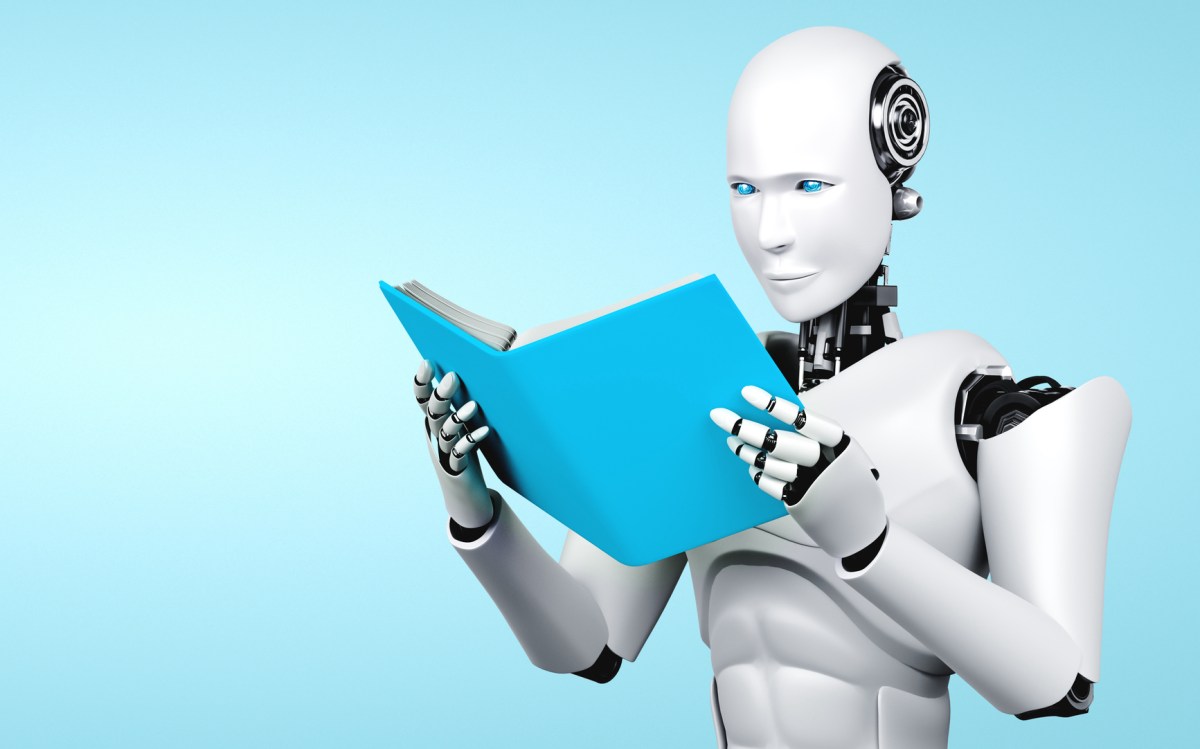
# The Legal Gray Zone: Copyright, AI Training, and the Fight Over Published Works
The legal status of training artificial intelligence models on copyrighted books remains unsettled, even as AI companies have already built some of the world's most powerful language models using such material. Authors wake to discover their work fed into systems designed to replicate their style, answer questions about their plots, and generate competitive content—all without permission or compensation.
The core tension is straightforward. Book authors own copyright to their published works. Training data companies like Books3 and datasets used to build ChatGPT, Claude, and other large language models contained millions of copyrighted texts scraped from the internet. Authors did not consent. They received no payment. Yet the legal mechanisms to stop this practice remain murky.
Federal copyright law grants creators exclusive rights to reproduce and distribute their work. On paper, this should block unauthorized copying of books into training datasets. But technology companies argue that machine learning falls into different legal territory. They invoke the "fair use" doctrine, which permits limited reproduction for purposes like research, criticism, or transformation. The argument: training an AI model transforms the original work into something new. The model does not store copies of books. It learns patterns, much like a student reading hundreds of novels to improve their writing.
Courts have not decisively ruled on this question. Earlier cases involving search engines, like Google Books, treated digital copying more leniently when the purpose was transformative. But training AI differs from indexing or previewing. The scale is unprecedented. The commercial value is immense. And the output can directly compete with the original.
Authors and publishers are fighting back. The Authors Guild and individual writers including John Grisham and Sarah Silverman filed lawsuits against OpenAI and Meta. These cases will define what "fair use" means in the age of generative AI. The outcomes will likely depend on how courts weigh transformation against market harm. If courts decide that AI training damages the market for authors' own works or for books themselves, fair use claims may fail.
Other countries approach this differently. The European Union's AI Act includes explicit provisions requiring disclosure of copyrighted training data. Some EU member states argue that AI companies should pay for such material. China has issued guidance that AI training requires rights holders' permission in certain cases. The United States, by contrast, has not passed comprehensive AI regulation, leaving fair use doctrine to evolve through litigation.
Settlements hint at the direction. Some publishers have negotiated deals with OpenAI and Google for access to training data. These deals typically involve payment or special licensing terms. The fact that companies are now paying suggests that free scraping may not survive legal scrutiny forever.
The practical reality: major AI labs built their systems on copyrighted material when legal liability was uncertain. Authors face a choice between accepting the status quo or litigating. Neither option restores consent or compensation for past use. Going forward, companies building smaller or specialized models increasingly license their training data to reduce legal risk. The full resolution of this question will shape whether AI development remains a free-for-all or requires explicit permission and payment from rights holders.