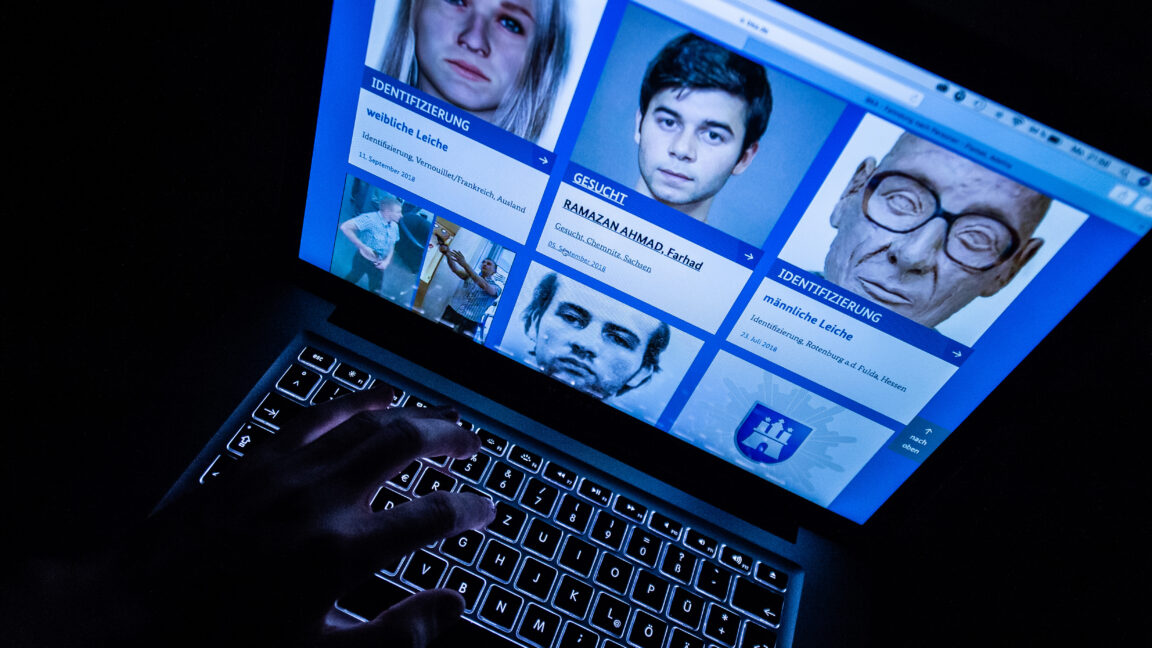
ClarityCheck, a people-search platform, exposed a database containing over 9 million image files without password protection or encryption. The exposed data included photographs of individuals' faces, searchable through the company's reverse-lookup service.
Security researchers discovered the unsecured database accessible to anyone with an internet connection. ClarityCheck aggregates publicly available information to help users identify and locate people. The platform draws from social media profiles, public records, and other online sources to build searchable records tied to facial images.
The exposure raises serious privacy concerns. Reverse facial-lookup services enable stalking, harassment, and identity theft when combined with exposed personal data. Even when databases contain only publicly sourced information, aggregating and indexing millions of faces creates a mass surveillance tool. Bad actors can use such services to track individuals, cross-reference identities, or build profiles for malicious purposes.
ClarityCheck's failure to implement basic security controls compounded the risk. Leaving 9 million photographs accessible without password protection or encryption represents elementary security negligence. The company exposed data on a massive scale with minimal technical barriers to access.
The incident highlights how people-search platforms operate in a gray zone between legal data aggregation and privacy invasion. While companies can legally collect publicly available information, the concentration of facial images in searchable databases creates new risks. Individuals often don't realize their photos have been harvested and indexed by these services.
This breach follows similar exposures from other people-search companies. Spokeo, BeenVerified, and other platforms have faced repeated security failures and privacy complaints. Regulators and lawmakers have begun scrutinizing these services, but enforcement remains limited.
ClarityCheck's exposure demonstrates that aggregating personal data without strong security safeguards creates predictable disasters. Companies holding millions of facial images must implement encryption and access controls as baseline requirements, not afterthoughts.