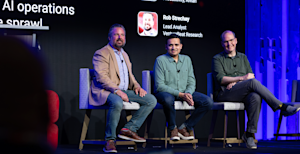
VentureBeat hired Rob Strechay as its first Lead Analyst, marking an expansion of the publication's enterprise AI research division. Strechay previously served as managing director and principal analyst at theCUBE Research, bringing technical depth and operational experience to the role.
The hire reflects VentureBeat's strategic shift toward serving technical decision-makers directly. Enterprise CTOs, VPs, and CIOs evaluating and deploying AI systems face a rapidly shifting technology landscape. Strechay's appointment signals that VentureBeat sees demand for rigorous, objective analysis tailored to infrastructure and architecture questions rather than broad market commentary.
Enterprise AI adoption faces a unique challenge. The foundational stack is being rebuilt almost monthly as new models, deployment frameworks, and integration tools emerge. Organizations need grounded research that separates genuine innovations from marketing noise. Traditional analyst shops often lag behind the velocity of change in AI infrastructure.
Strechay's background at theCUBE Research, a firm focused on enterprise technology research, positions him to understand both the technical requirements and business constraints that large organizations face when building AI systems. His role as founding analyst of VentureBeat Research suggests this is not a one-person operation. The publication appears to be building a dedicated research team.
The timing aligns with enterprise adoption entering a more mature phase. Early AI spending focused on pilot programs and vendor evaluation. Now organizations are moving toward production deployments, which requires deeper technical scrutiny around model selection, infrastructure costs, governance frameworks, and integration with existing systems.
VentureBeat's move toward specialized analyst coverage differs from the publication's traditional coverage model, which combines news reporting with commentary and analysis. Creating a dedicated research function suggests confidence that enterprise technology leaders will pay for research specifically designed to inform capital allocation and architecture decisions.
Whether this analyst hire becomes a broader research division depends partly on adoption velocity.