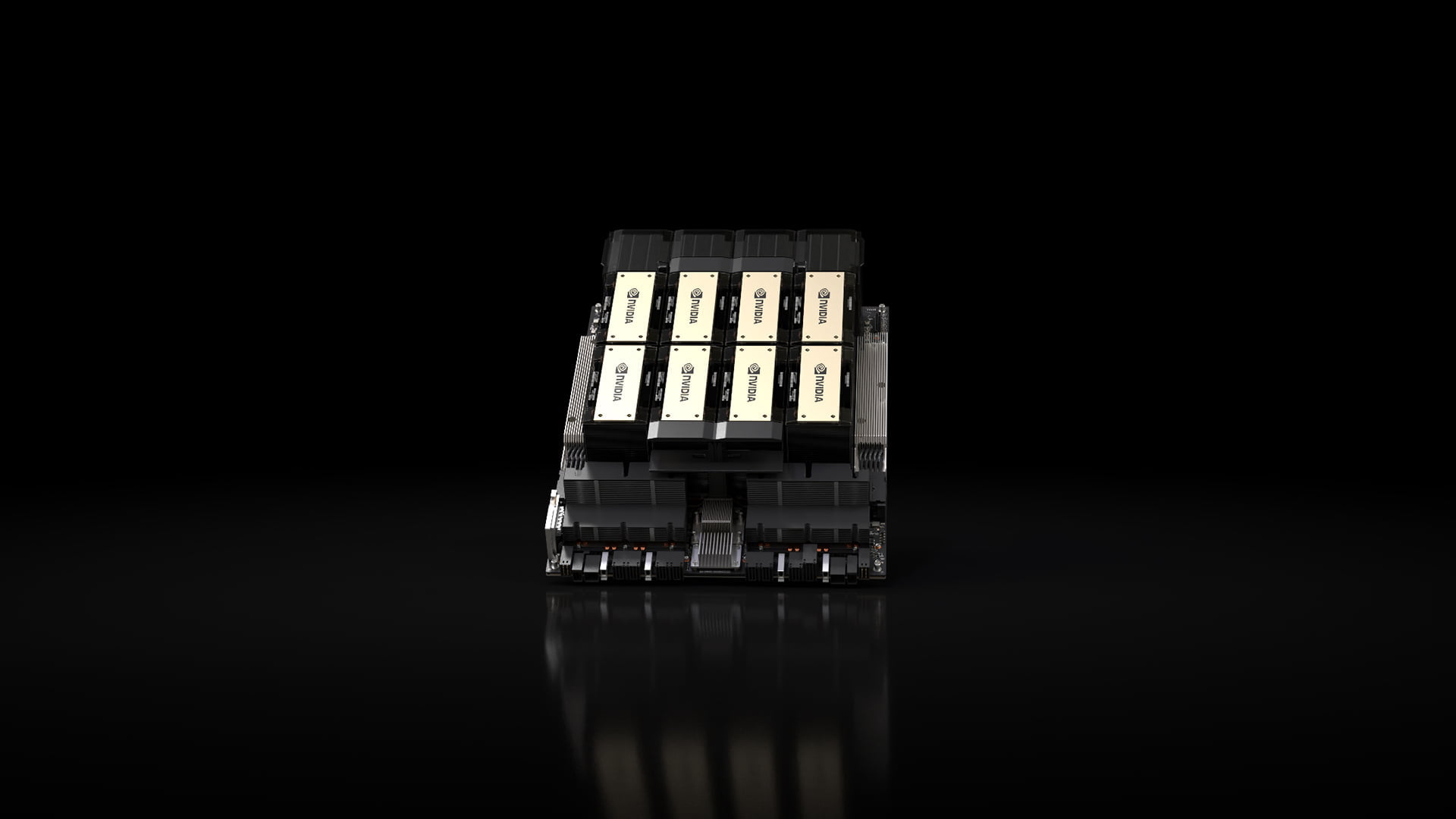
China has begun permitting limited shipments of Nvidia's H200 chips to enter the mainland, easing restrictions on advanced AI hardware to help domestic companies compete with American counterparts. The move marks a tactical shift in China's approach to semiconductor access amid intensifying US export controls.
The H200, Nvidia's latest high-performance accelerator, delivers substantially more memory and computing power than previous generations. China had previously faced near-total bans on acquiring cutting-edge Nvidia chips through US export restrictions implemented to slow Chinese AI development. These controlled shipments represent a rare exception, suggesting Beijing recognizes its AI firms risk falling further behind without access to state-of-the-art hardware.
The controlled release reflects a balancing act. China maintains restrictions on bulk purchases of advanced chips while allowing enough access to prevent complete technological obsolescence among its leading AI laboratories and companies. This strategy avoids triggering additional US sanctions while keeping Chinese AI research competitive enough to matter globally.
Sources indicate only small quantities reach Chinese firms, likely distributed to select research institutions and major AI developers rather than broadly across industry. The arrangement likely involves oversight mechanisms ensuring chips serve approved purposes rather than fueling military applications or mass-market consumer AI systems that could threaten US economic interests.
The decision comes as Chinese AI development faces mounting pressure. Companies like Alibaba, Baidu, and ByteDance have invested heavily in alternative chip architectures and optimized software to work with older, available hardware. Yet performance gaps with US-based competitors using H100 and H200 systems persist. Limited H200 access provides a modest bridge without fundamentally solving China's hardware constraints.
US policymakers will likely scrutinize this arrangement carefully. Further loosening of chip restrictions could invite congressional criticism that exports undermine American technological dominance. China, meanwhile, benefits from appearing cooperative while gaining enough capability to sustain competitive AI research. The trickle of advanced