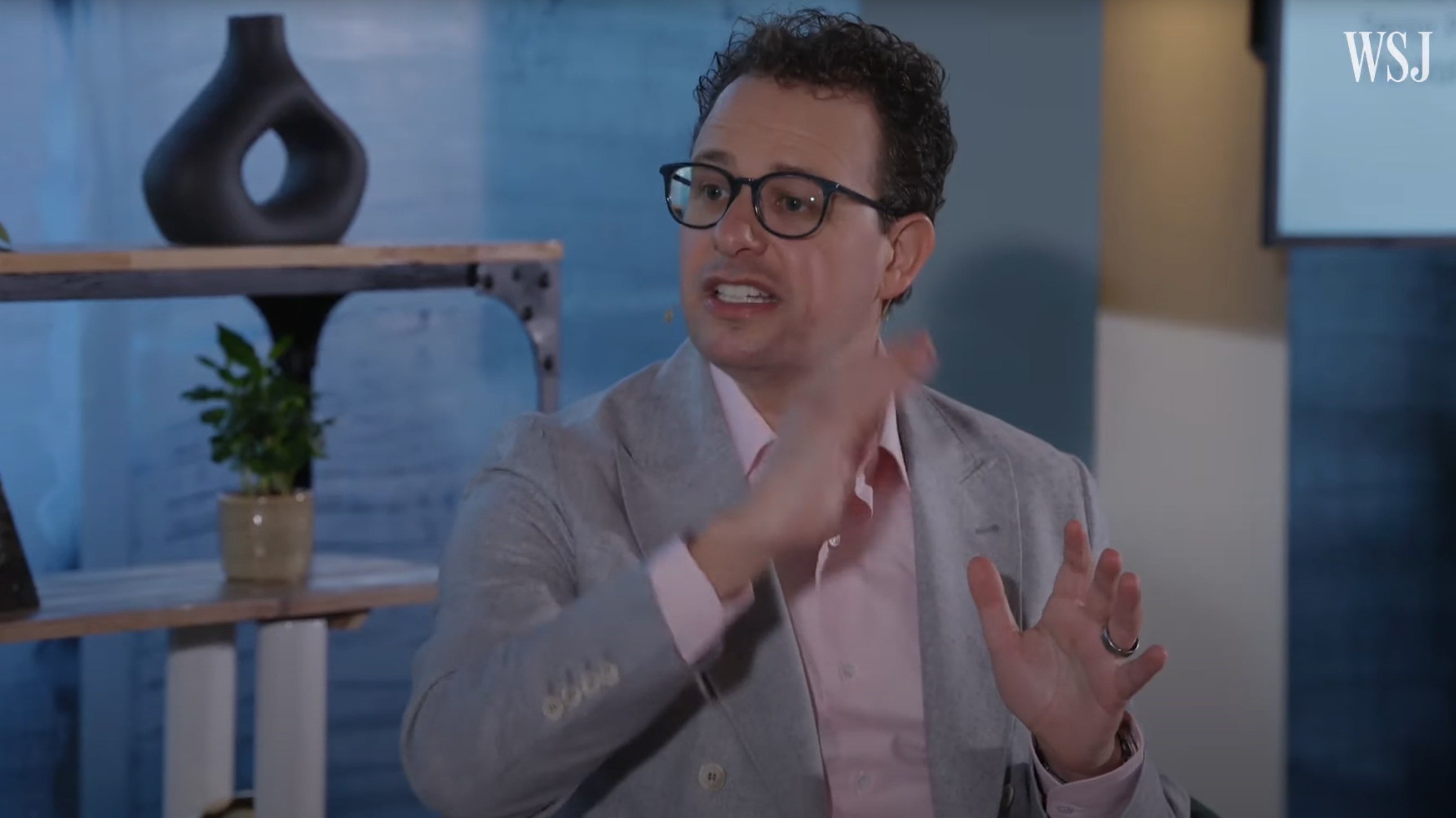
Anthropic CEO Dario Amodei has thrust himself into a high-stakes debate over AI regulation and open-source models. On X, Amodei clashed with investor Gavin Baker, former White House adviser David Sacks, and Meta researcher Yann LeCun over whether AI development should remain centralized or decentralized.
Baker, Sacks, and LeCun accuse Amodei of deploying fear-based arguments to secure regulatory advantages for Anthropic. They argue that open-source models democratize AI by making it widely available rather than locked behind proprietary walls.
Amodei rejects this framing. He contends that AI systems centralize by their nature due to enormous computational requirements and training costs. Open-source models do not solve this problem, he argues. Instead, they simply shift power from large AI labs to whichever companies control the largest chip reserves and data centers. A smaller research group cannot effectively train or deploy frontier models even with access to open weights.
Amodei points out that regulation serves another purpose beyond corporate control. Smart regulatory frameworks can limit the power wielded by any single player, whether open-source or closed. Without guardrails, he suggests, the companies with the deepest pockets and biggest computing clusters will dominate regardless of whether code stays proprietary.
The debate cuts to a fundamental tension in AI development. Open advocates believe transparency and accessibility prevent monopolies and enable broader innovation. Centralization critics counter that hardware economics make openness illusory when practical deployment remains out of reach for most actors.
Amodei's position reflects Anthropic's business model, which relies on selling access to Claude through controlled channels rather than releasing model weights. Yet his core claim has merit. Training a frontier model costs hundreds of millions of dollars. This economic reality creates barriers that open licensing alone cannot overcome.
The