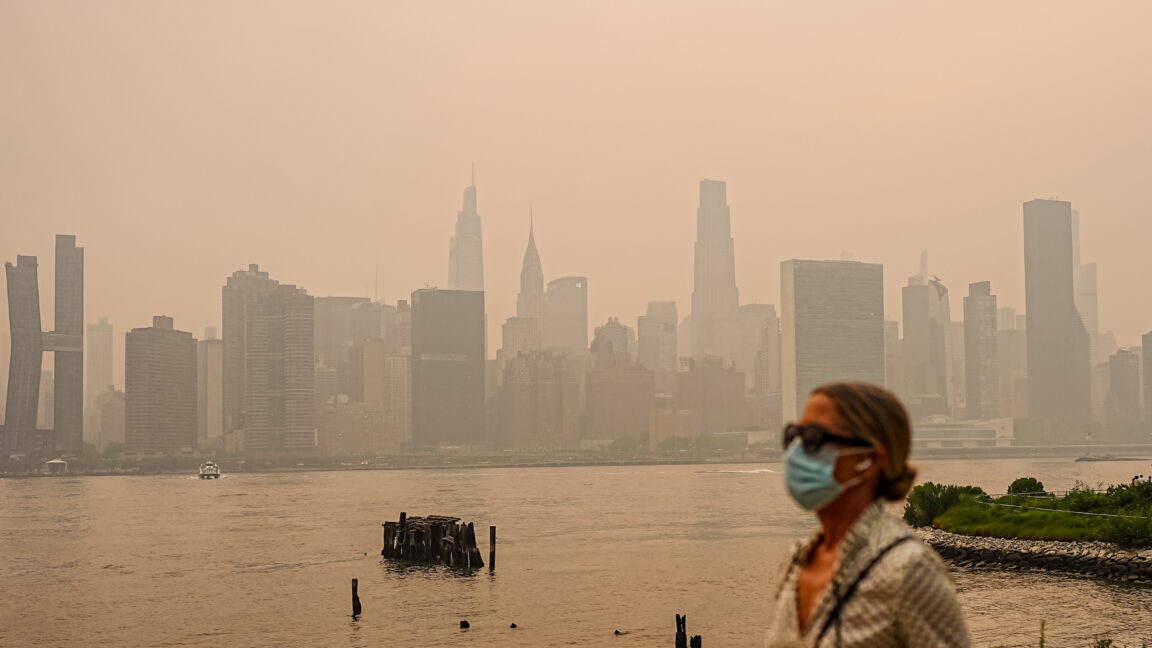
Wildfire smoke now poses a larger threat to fetal development than regulated human sources of air pollution, reversing decades of regulatory progress on prenatal health outcomes.
New research shows that emissions reductions from cars, factories, and power plants have successfully lowered prenatal exposure to harmful pollutants. However, smoke from wildfires—which have intensified due to climate change and longer fire seasons—now contributes more to poor air quality during pregnancy than traditional industrial and vehicular sources combined.
The findings highlight a critical gap in environmental regulation. While the Clean Air Act and subsequent EPA standards have effectively controlled point-source pollution from identifiable industrial facilities, wildfire smoke operates outside this regulatory framework. Wildfires burn across state lines and national borders, making traditional pollution controls irrelevant.
Prenatal exposure to air pollution carries documented risks. Studies link poor air quality during pregnancy to lower birth weights, reduced gestational age, and increased rates of preterm birth. The fetus develops critical organ systems during pregnancy, making this exposure window particularly vulnerable. Children born after prenatal pollution exposure also show higher rates of respiratory issues and developmental delays later in life.
The scale of the problem is accelerating. Western wildfire seasons now extend months longer than they did in the 1980s. Summer smoke events that once lasted weeks now persist for months, affecting millions of pregnancies. States like California, Oregon, and Washington routinely experience air quality index readings that exceed hazardous levels during fire season.
Addressing this threat requires a fundamentally different approach than traditional pollution regulation. Wildfire management strategies including controlled burns, fuel reduction, and forest thinning could reduce future smoke generation. Climate mitigation efforts that slow warming may also reduce fire intensity and frequency over decades. In the near term, pregnant individuals in smoke-prone regions face limited options beyond personal protective equipment and temporary relocation.
The research underscores how climate change and