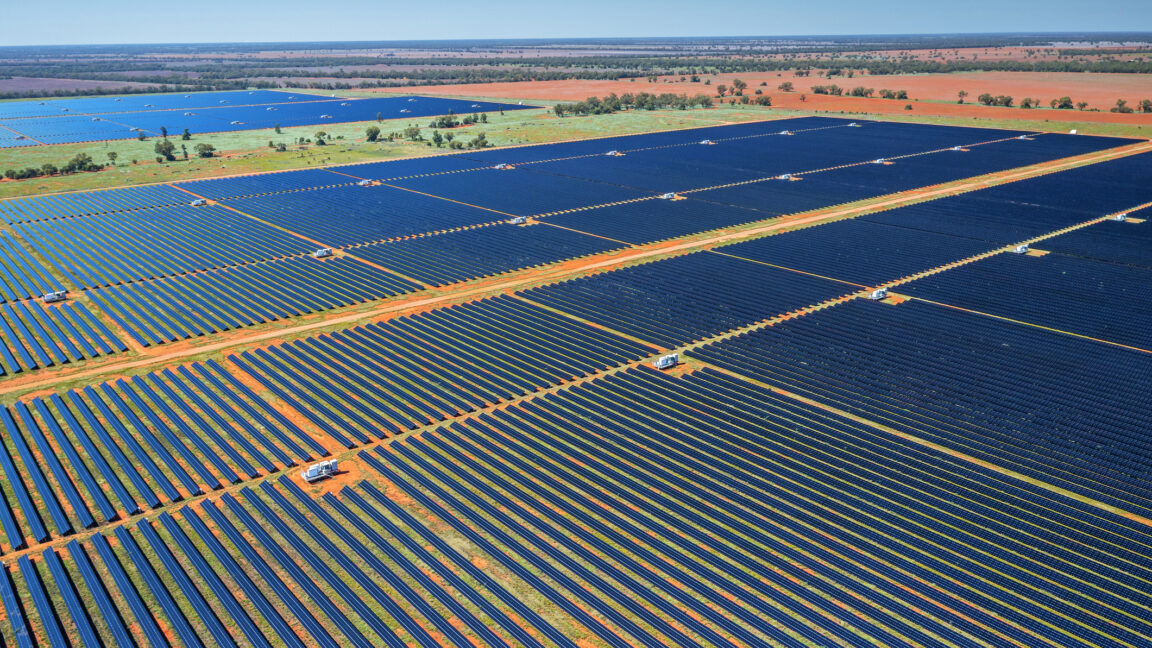
The US power generation landscape shifted dramatically in 2024, with utility-scale solar dominating new capacity additions by a massive margin. Solar installations outpaced all other energy sources combined, according to data tracking every power plant that came online this year.
Batteries emerged as the second-largest new capacity addition, reflecting the grid's growing need to store renewable energy. Battery storage systems paired with solar farms help address intermittency issues that have long plagued renewable energy adoption.
Fossil fuel plants contracted significantly. Coal and natural gas facilities added minimal new capacity, marking a historic departure from decades of energy infrastructure patterns. Some natural gas plants retired, accelerating the transition away from carbon-intensive generation.
Wind energy continued steady growth but lagged far behind solar's explosive expansion. Hydroelectric and nuclear additions remained negligible, with nuclear facing lengthy permitting timelines and hydroelectric projects encountering environmental constraints.
The shift reflects several market forces at work. Solar costs have plummeted 90% over the past decade, making it the cheapest source of new electricity generation. Inflation Reduction Act tax credits provide substantial incentives for renewable deployment. State renewable portfolio standards mandate clean energy targets. Utility companies increasingly prioritize solar projects over fossil fuel investments due to lower operating costs and reduced regulatory risk.
Grid operators face mounting challenges managing this transition. High solar penetration creates steep ramps during evening hours when generation drops sharply as the sun sets. Battery storage helps, but capacity remains limited compared to peak demand periods. Grid modernization efforts, transmission upgrades, and demand management strategies will determine how smoothly the US absorbs this renewable surge.
The 2024 data confirms the energy transition is accelerating faster than many projections anticipated. Solar's dominance raises questions about grid reliability, workforce transitions in fossil fuel industries, and whether infrastructure can scale quickly enough to support continued renewable growth.