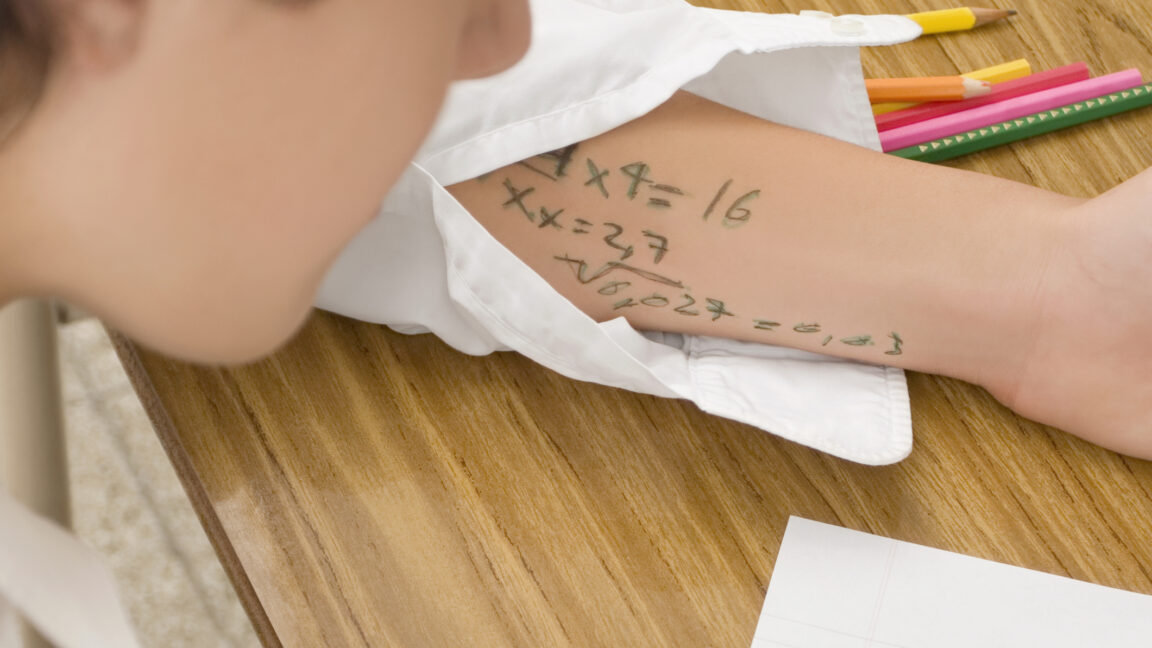
A remote exam proctored by AI software produced results so anomalous that 58,000 students must retake the test. Top scores jumped five-fold compared to previous years, a red flag that triggered review and invalidated the original results.
The exam used AI-based remote proctoring to monitor test-takers, a system designed to prevent cheating by watching for suspicious behavior. Instead, the technology either failed to detect widespread cheating or created conditions that enabled it at scale. The five-fold spike in top scores suggests either systematic cheating went undetected or the AI system malfunctioned in ways that advantaged test-takers.
Remote proctoring systems analyze video feeds, detect eye movement, monitor keystroke patterns, and flag unusual activity. They've become standard at universities and testing organizations. Yet these systems remain notoriously unreliable. They frequently flag legitimate test-takers as cheaters while missing actual violations. They also raise privacy concerns about continuous surveillance.
This incident exposes the fundamental problem with AI proctoring at scale. These systems operate as black boxes. Schools and testing organizations rarely disclose how they work, what triggers alerts, or how they validate results. When something goes wrong, institutions have limited visibility into what happened.
The decision to invalidate 58,000 exams and require retakes suggests administrators lacked confidence in the AI system's integrity. They chose the costly path of wholesale testing rather than attempting to validate individual scores.
This outcome strengthens the case against AI proctoring. The technology promises objectivity and consistency but delivers surveillance with unreliable enforcement. For test-takers, it means invasive monitoring with no guarantee the system actually works. For institutions, it means operational risk with no transparency.
The retesting requirement will likely frustrate students who scored well and passed legitimately. It also raises questions about how this failure will affect trust in AI