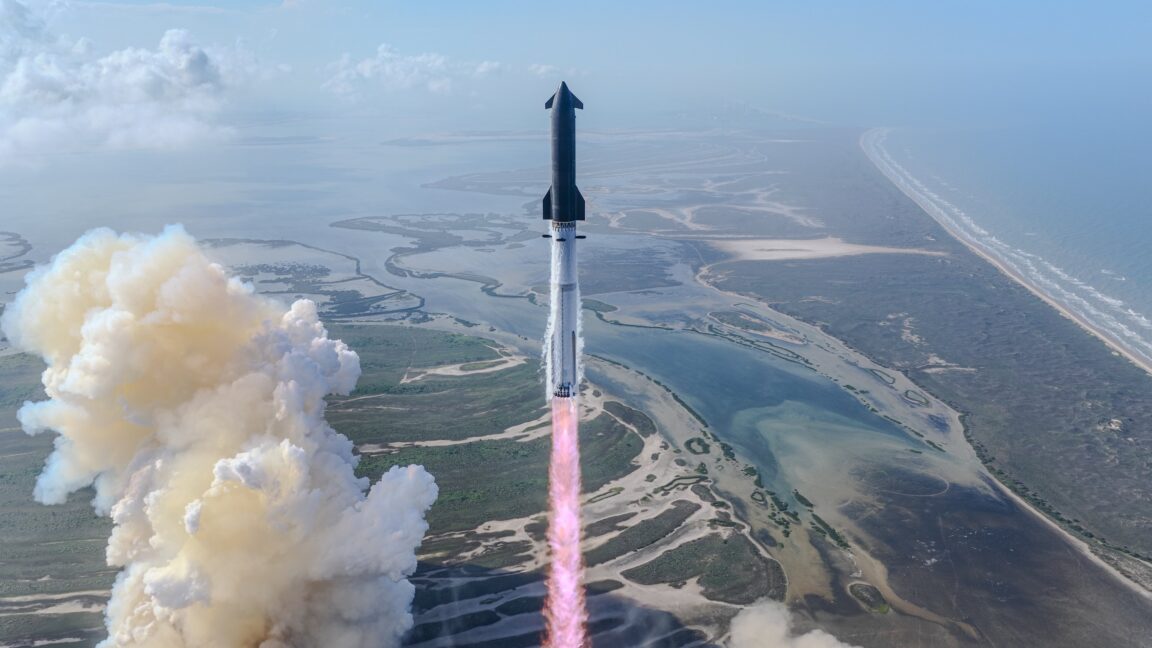
SpaceX is moving forward with plans to acquire 130,000 acres of marshland in southern Louisiana, according to reporting from Ars Technica. The expansion reflects the company's ambition to build a second major launch facility beyond its existing Starbase in Texas.
A Louisiana site offers SpaceX operational advantages that Texas cannot fully provide. The location grants access to the Mississippi River, enabling barge transport of massive rocket components without the road infrastructure constraints that limit movement in South Texas. The Gulf of Mexico proximity provides direct ocean access for launches, reducing overland transport of fuel and hardware. Louisiana's existing industrial infrastructure, including petrochemical facilities and port operations, creates a ready supply chain for rocket manufacturing and launch support.
The marshland acquisition also positions SpaceX to conduct more frequent launches without congesting its primary Texas facility. The company's Starship program demands an enormous launch cadence to achieve profitability and support its stated goal of becoming a fully reusable, rapid-turnaround launch system. A second pad complex dramatically expands launch capacity.
Louisiana's regulatory environment and state incentives likely played a role in site selection. The state has aggressively courted aerospace investment and offers tax breaks for major industrial projects. SpaceX's investment would bring substantial job creation to a region seeking economic diversification beyond oil and gas.
Environmental considerations are already emerging. Marshland acquisition in Louisiana raises questions about wetland management and compliance with federal environmental protections. The company will need to navigate the Clean Water Act, which closely regulates coastal development in Louisiana.
The Texas Starbase facility continues expanding, but adding Louisiana capacity signals SpaceX's confidence in long-term demand for launch services. Elon Musk's stated ambitions for Moon base resupply missions, Mars colonization, and commercial space station support all require launch infrastructure at scales far exceeding current capability. This second facility represents