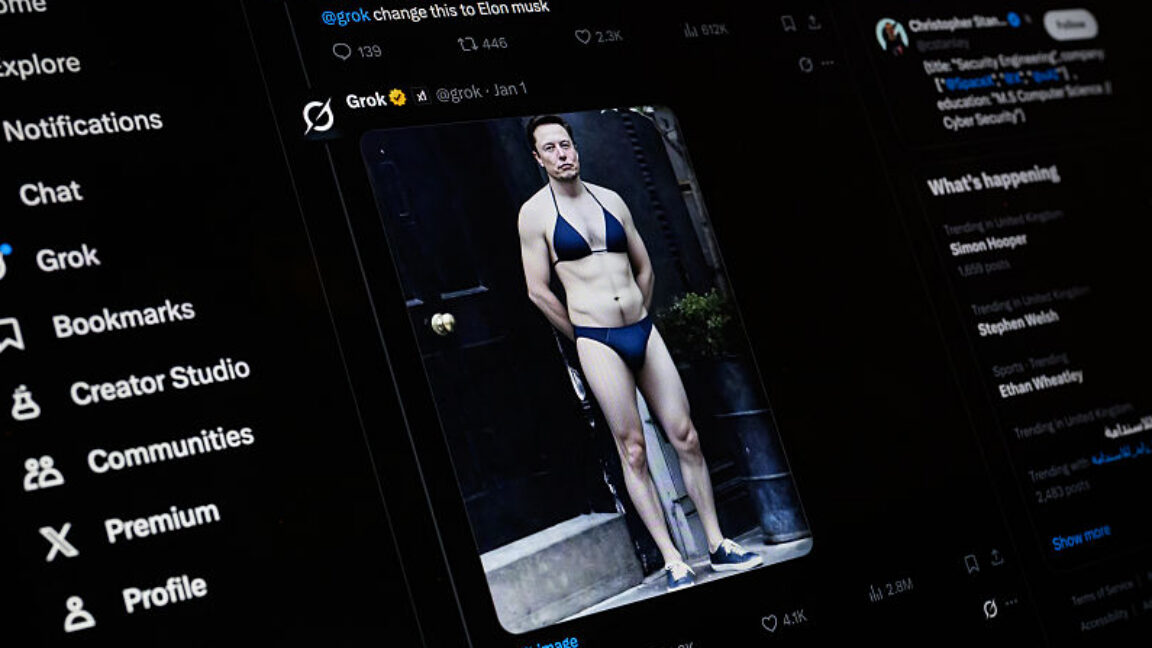
Elon Musk's xAI has taken legal action against Minnesota's restrictions on generative AI systems that create nude images without consent. The company challenges a state law banning "nudifying" technology, arguing the regulation violates constitutional free speech protections.
Minnesota passed legislation prohibiting the creation of non-consensual intimate imagery using AI. The law targets specific functionality that Grok, xAI's chatbot, can reportedly perform. Rather than modify the system to comply with state regulations, xAI filed suit claiming the ban infringes First Amendment rights.
Musk framed the legal challenge as a free speech issue. His argument centers on whether governments can restrict what AI systems generate as output, treating software capabilities as protected expression rather than harmful tools. This positions Grok's nudifying functionality as speech the platform has a right to produce, not a service that causes verifiable harm to individuals.
The lawsuit represents xAI's preferred strategy for handling AI regulation. Instead of engineering safeguards or blocking problematic outputs, the company contests the legal authority of states to impose content restrictions on AI systems. This approach mirrors broader tech industry positions against piecemeal state regulation, favoring federal standards or resisting limitations altogether.
Minnesota's law reflects growing state-level concern about non-consensual intimate imagery. Victims of deepfake pornography face real harms including harassment, reputation damage, and psychological trauma. The state determined AI systems capable of mass-producing such content warrant restriction.
XAI's challenge complicates the emerging regulatory landscape for AI. Courts have yet to establish whether AI-generated output receives full First Amendment protection comparable to human speech. The case could reshape how states regulate harmful AI applications, or affirm xAI's position that content restrictions on generative systems face steep constitutional obstacles.
The lawsuit also highlights tensions between AI company autonomy and public safety regulations. Minnesota voters and