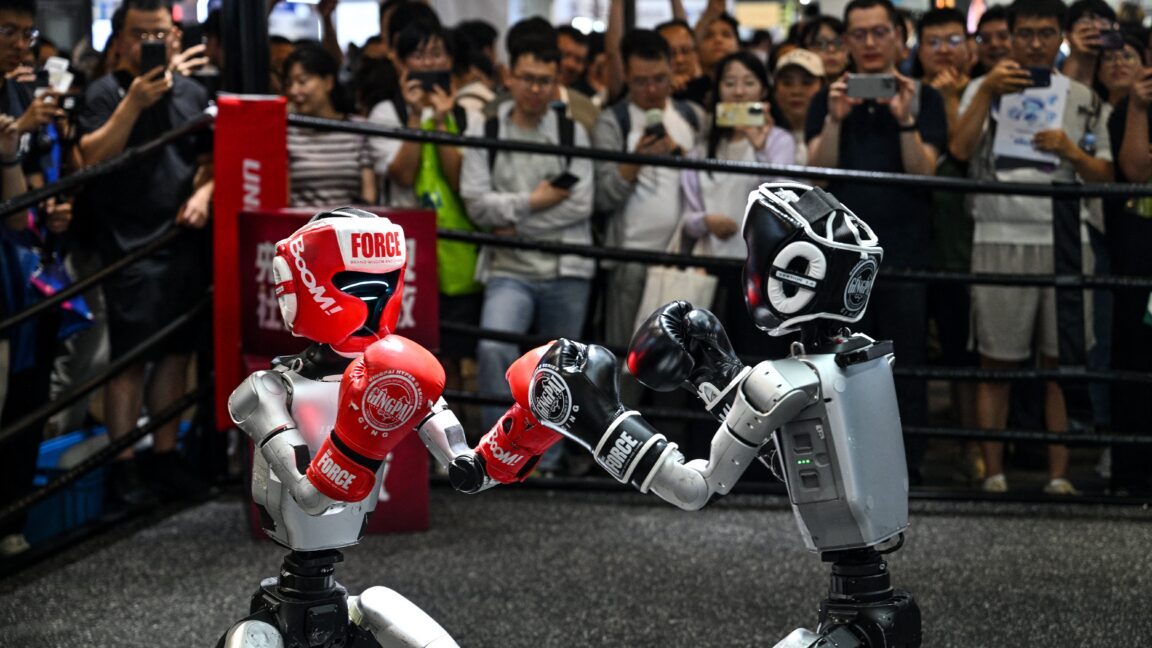
A proposed US ban on foreign-made robots threatens to backfire on American robotics development, according to analysis of trade policy impacts.
The restriction aims to protect domestic robot manufacturers from international competition. However, the policy overlooks how US robotics companies depend on global supply chains and foreign talent. Many American firms source components from Asia, integrate technology developed abroad, and hire engineers from countries like Canada, Germany, and Japan.
Blocking foreign robots creates immediate problems. Companies that rely on imported industrial systems face production delays and higher costs. Startups building specialized robots often lack domestic alternatives for critical components or finished units. The ban also risks retaliation from trading partners, potentially closing export markets for US robotics firms.
Longer-term, the policy discourages innovation. US companies benefit from competing against advanced foreign systems. Tariffs and import restrictions reduce that competitive pressure, historically leading to slower technological advancement in protected industries. Automotive manufacturing showed this pattern after tariff increases in prior decades.
The robotics sector specifically suffers because it remains fragmented. Unlike established industries with dominant domestic players, robotics features hundreds of small companies, academic labs, and specialized makers. Many collaborate across borders. A ban forces duplication of work already done elsewhere and prevents American teams from accessing cutting-edge tools.
Labor impacts cut both ways. US robotics needs skilled workers in short supply domestically. Restricting hiring of foreign engineers directly shrinks the talent pool. These workers also bring different approaches and knowledge that accelerate breakthroughs.
Trade policy experts note the ban does help one group: large incumbent manufacturers protecting existing market share. Smaller competitors and new entrants face steeper barriers.
The policy reflects legitimate concern about manufacturing resilience. Genuine risks exist in over-reliance on single-source suppliers for critical components. A more targeted approach could address specific chokepoints, like semiconductors crucial to robot operation, without blocking entire