A federal judge blocked Minnesota's attempt to ban prediction markets, dealing a blow to what would have been the first state-level prohibition on these platforms.
Minnesota passed legislation that would have barred residents from participating in prediction markets, which allow users to bet on outcomes of elections, sports events, and other real-world events. The state argued the ban served a legitimate public interest in preventing gambling and protecting consumers.
The judge rejected that rationale. The decision suggests prediction markets occupy a legal gray zone distinct from traditional gambling, with protections that prevent outright bans. The ruling indicates the court viewed the restrictions as overly broad and lacking sufficient justification to override First Amendment and commerce clause concerns.
However, the decision leaves room for narrower regulation. The judge signaled Minnesota could potentially restrict specific categories of prediction markets without running afoul of federal law. This suggests targeted rules around election-related bets or particular market types remain viable, even as blanket prohibitions fail constitutional scrutiny.
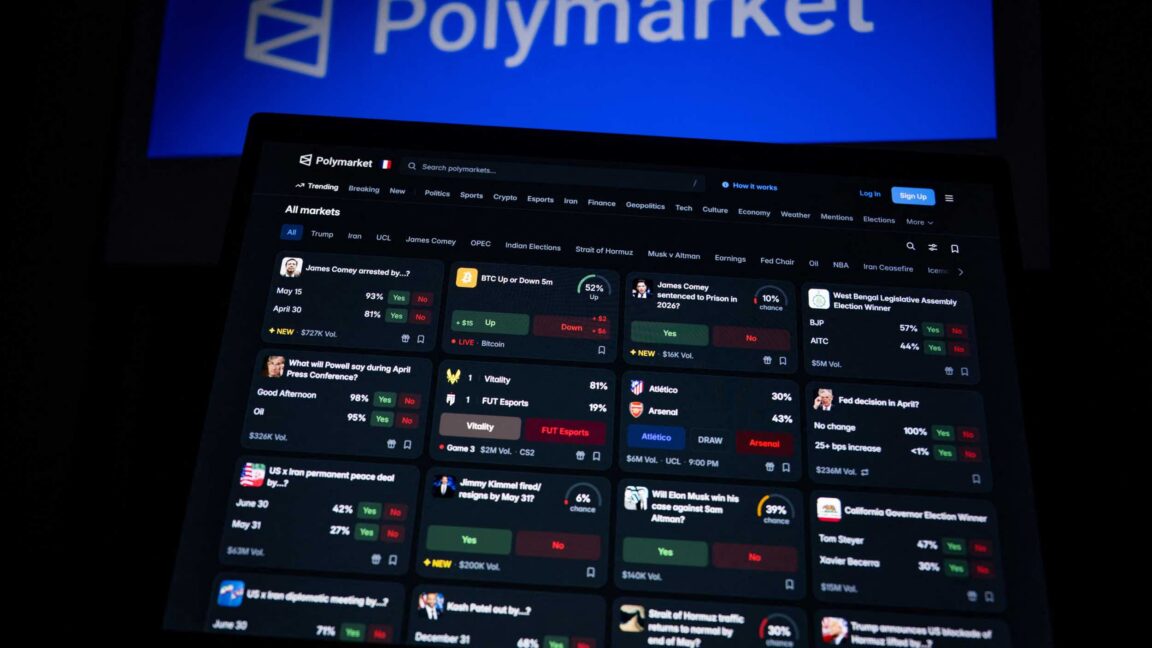
The outcome matters for the broader prediction market ecosystem. Platforms like Polymarket have grown in popularity as alternatives to traditional sportsbooks, offering traders exposure to real-world uncertainty. The legal status of these platforms has remained murky, with the CFTC and other regulators offering limited guidance on what falls under existing financial laws.
This ruling sets a precedent that states cannot simply legislate prediction markets out of existence through blanket bans. Companies operating in this space gain some legal clarity, though fragmented state-level rules remain likely. Minnesota may attempt narrower legislation targeting specific bet categories, but it cannot reimpose a total prohibition.
The decision underscores how emerging financial technologies often outpace regulatory frameworks. Prediction markets fill a genuine demand for outcome betting that existing gambling and finance regulations don't neatly address. Policymakers will need to craft rules that address legitimate public concerns without treating these platforms as conventional casinos.