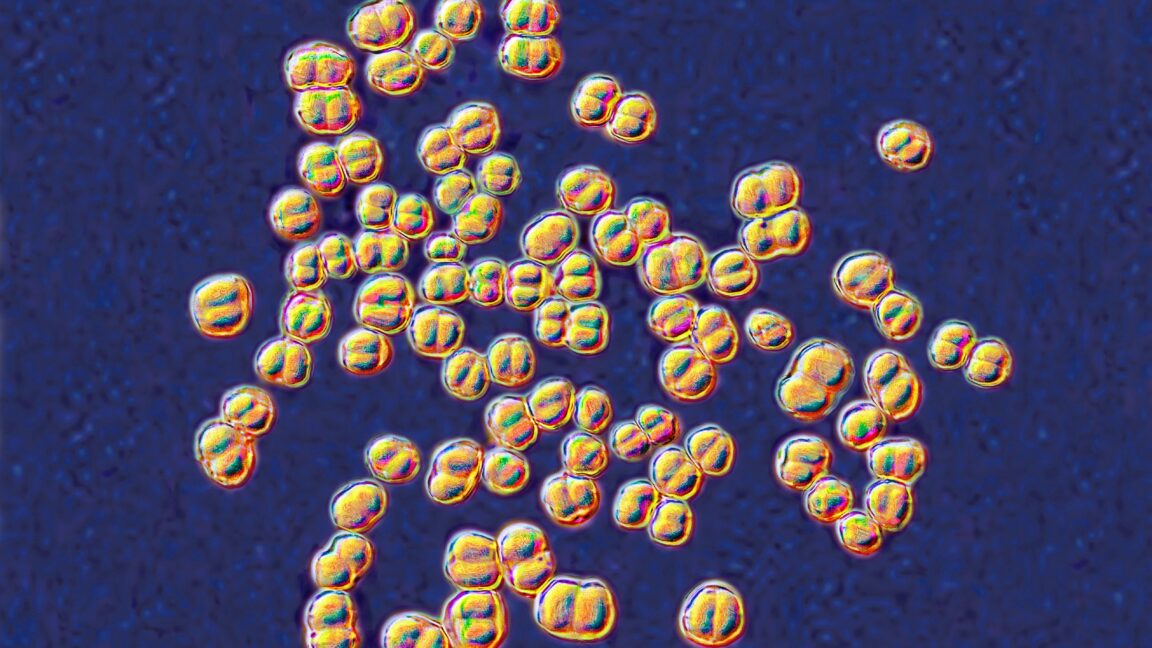
A college microbiology lab class exposed 32 students to a dangerous pathogen when an identification exercise went wrong. Students were tasked with identifying what they believed to be a harmless organism, but the sample contained Burkholderia cepacia, a gram-negative bacterium capable of causing severe respiratory infections, particularly in people with cystic fibrosis and immunocompromised individuals.
The incident triggered immediate intervention. All 32 exposed students received prophylactic antibiotic treatment to prevent infection. The college initiated contact tracing and health monitoring protocols. Burkholderia cepacia colonizes biofilms and resists multiple antibiotic classes, making it a legitimate public health concern when exposure occurs in uncontrolled settings.
The university has not released specifics on how the contamination occurred, but lab misidentification failures typically stem from mislabeled samples, cross-contamination during culturing, or supplier errors. Microbiology labs operate under strict biosafety protocols precisely to prevent these scenarios. The fact that the mistake went undetected until students began handling the organism raises questions about quality control checkpoints.
Burkholderia cepacia earned notoriety in the 1990s when it spread through cystic fibrosis patient communities at several North American hospitals, resulting in hospitalizations and deaths. Modern CF care now includes screening protocols and infection prevention measures. For immunocompetent college students, exposure risk is considerably lower, but respiratory infection remains possible.
The incident highlights vulnerability in educational laboratory settings, where cost pressures and high student volumes can strain safety oversight. Unlike clinical or research labs, teaching labs sometimes operate with leaner safety infrastructures. This case demonstrates why every lab, regardless of educational status, requires robust sample verification systems and strict adherence to biosafety classifications before students handle materials.
The college's rapid response with prophylactic