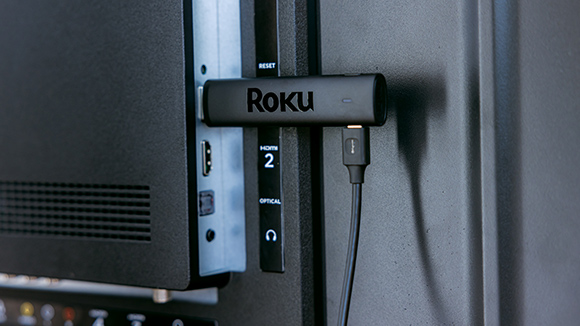
Roku has increased prices on its streaming sticks by up to 60 percent, blaming a RAM shortage for the hike. The move contradicts statements made by CEO Anthony Wood just months earlier, when he called the shortage "great" for business during an investor call in May.
The price increases affect Roku's lineup across multiple tiers. The company's entry-level and mid-range streaming devices now cost significantly more, with some models jumping from previous price points by amounts approaching 60 percent. This marks a sharp reversal from the competitive pricing strategy that has historically defined Roku's market position.
Roku's explanation centers on memory constraints limiting production capacity. RAM shortages have plagued the consumer electronics industry since 2021, though availability has gradually improved across most sectors. By attributing the increases to supply constraints, Roku suggests it cannot manufacture enough units to meet demand at lower prices.
Wood's May comments created immediate awkwardness. He had characterized the shortage as beneficial, implying it supported higher margins and reduced competitive pressure. The subsequent price hikes validate that interpretation, though they expose the disconnect between executive messaging and consumer impact.
The timing matters. Roku competes directly with Amazon's Fire TV devices and Google's Chromecast, both of which have maintained more stable pricing despite similar supply challenges. Roku's aggressive increases risk alienating budget-conscious customers who chose the brand specifically for affordability.
Market dynamics complicate the situation further. Streaming device adoption has plateaued in mature markets, making price-sensitive customers more likely to switch platforms. Roku's strategy assumes customers lack alternatives or will accept higher costs for platform loyalty, a risky bet in a crowded market.
The company has not announced when prices might decline or when RAM availability might improve. Without timeline commitments, these increases appear permanent rather than temporary adjustments. This approach signals confidence in sustained demand even at higher price points