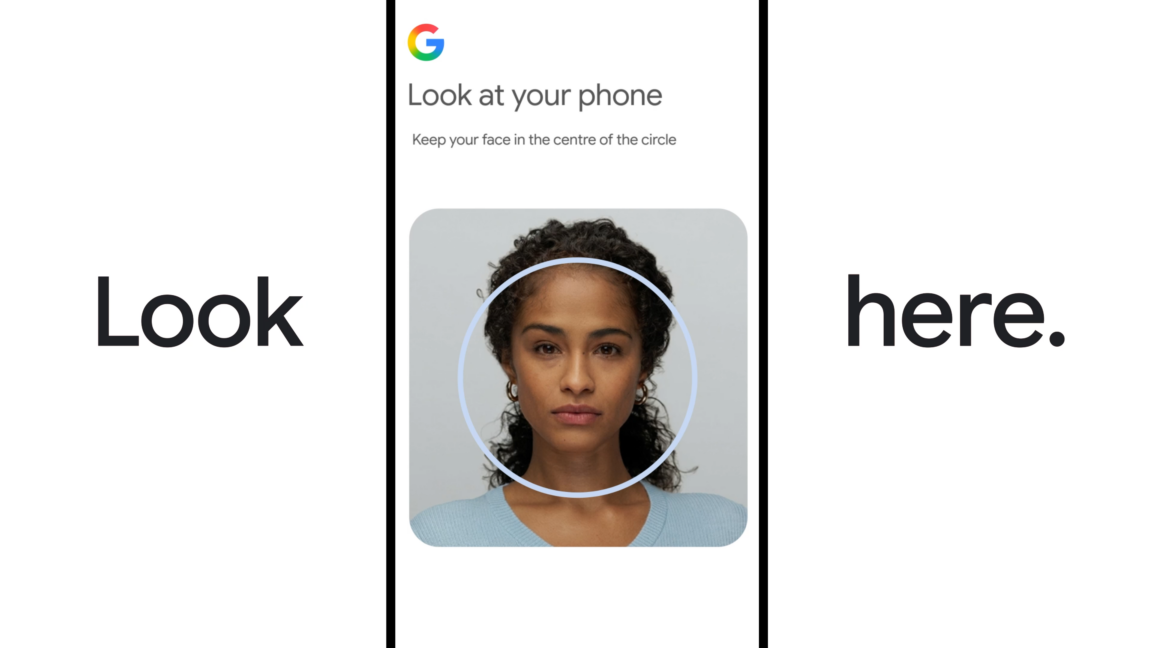
Google is rolling out a new authentication method that replaces traditional passwords with selfie video verification. Users can now prove their identity by recording a short video of their face, which Google's systems analyze to confirm identity and grant account access.
The feature works by capturing multiple facial angles and expressions during the video recording process. Google's biometric algorithms then match the recorded video against stored facial data to verify the user. This approach adds an extra layer of security beyond static photos, making spoofing attacks significantly harder.
Beyond password recovery, Google plans to expand selfie video authentication to other use cases. The company intends to deploy the technology for age verification, allowing platforms to confirm users meet minimum age requirements without collecting government IDs. Google also plans to integrate selfie videos with its AI Avatar systems, where the video can serve as a training dataset for generating personalized digital representations.
The shift addresses a fundamental problem with traditional passwords. Users forget them regularly, forcing reliance on email recovery flows that can take time and create friction. Selfie authentication streamlines this process into seconds while potentially strengthening security through biometric verification.
Security experts note both benefits and risks. Facial recognition reduces the attack surface from credential stuffing and phishing, since there's no password for attackers to steal. However, the approach introduces new concerns around biometric data storage and unauthorized use. Google stores facial templates server-side, encrypted, but breaches could expose biometric information that users cannot change like a compromised password.
Privacy advocates also flag the scope creep potential. Starting with account recovery, Google now extends the same biometric capture mechanism to age verification and avatar generation. Each expansion uses the same selfie data for different purposes, creating a privacy trail that may extend beyond user expectations.
Google's rollout suggests the tech industry continues moving away from passwords toward biometric authentication. The approach offers convenience and arguably better security, but hinges on users trusting Google's