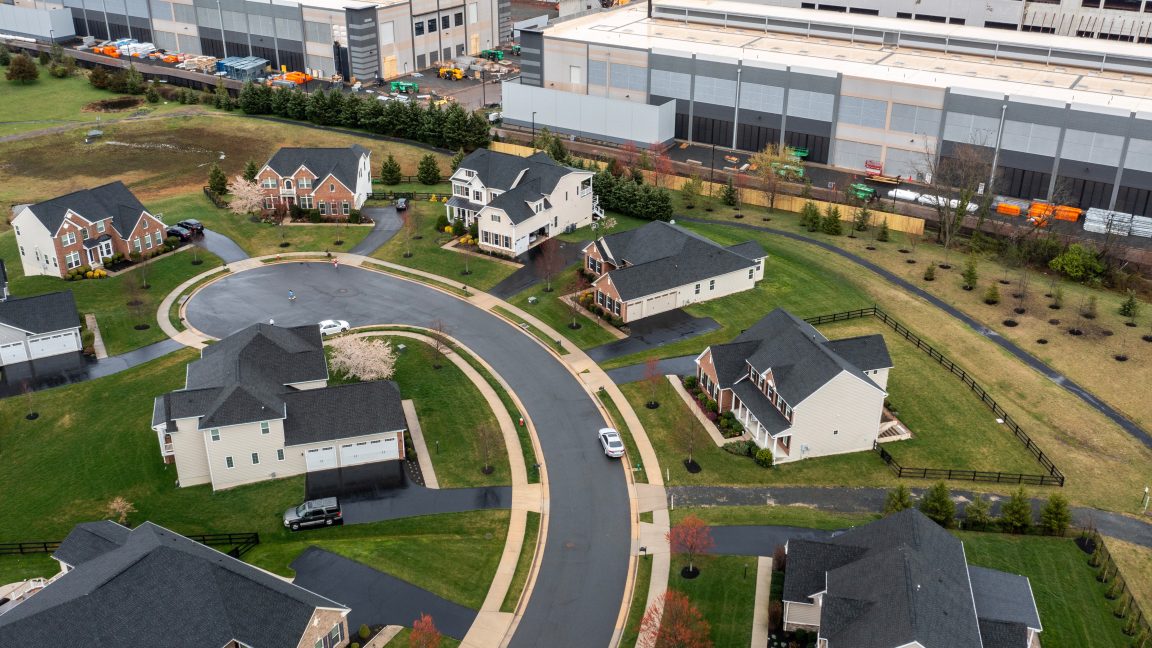
The Trump administration's Environmental Protection Agency is considering a regulatory shift that would let states determine whether the public gets a voice in data center siting decisions. The proposed rule transfers authority over local input requirements from federal oversight to individual states, effectively weakening the community consultation process that currently exists.
AI companies have pushed for faster data center deployment to support their growing computational demands. Data centers consume enormous amounts of electricity and water, making environmental impact and neighborhood effects legitimate public concerns. Under current federal rules, communities typically receive notification and opportunity to comment on major facility proposals.
The EPA's approach allows states broad discretion. Some states may maintain robust public input periods. Others could eliminate community consultation entirely, prioritizing rapid infrastructure development over local accountability. This creates a patchwork system where environmental protection standards vary dramatically by geography.
The timing reflects broader Trump administration priorities around deregulation and accelerating infrastructure projects. AI firms argue that streamlined approval processes are necessary to meet chip shortages and computational demands. Utilities and data center operators support faster permitting timelines.
Environmental groups and local communities worry the rule undermines transparency. Data centers built near residential areas can impact air quality, water availability, and property values. Public input traditionally catches environmental concerns early, when modifications remain feasible and affordable.
The regulatory change affects where new capacity gets built and whose interests shape that process. States with weak environmental standards or limited public engagement may attract significant data center investment, while states maintaining stronger transparency requirements could see projects relocate. This creates incentives for a regulatory race to the bottom.
The EPA hasn't finalized the rule, but the direction signals reduced community oversight in infrastructure decisions that directly affect local residents. The tradeoff remains explicit: faster AI infrastructure deployment versus community voice in decisions about facilities that consume critical resources.