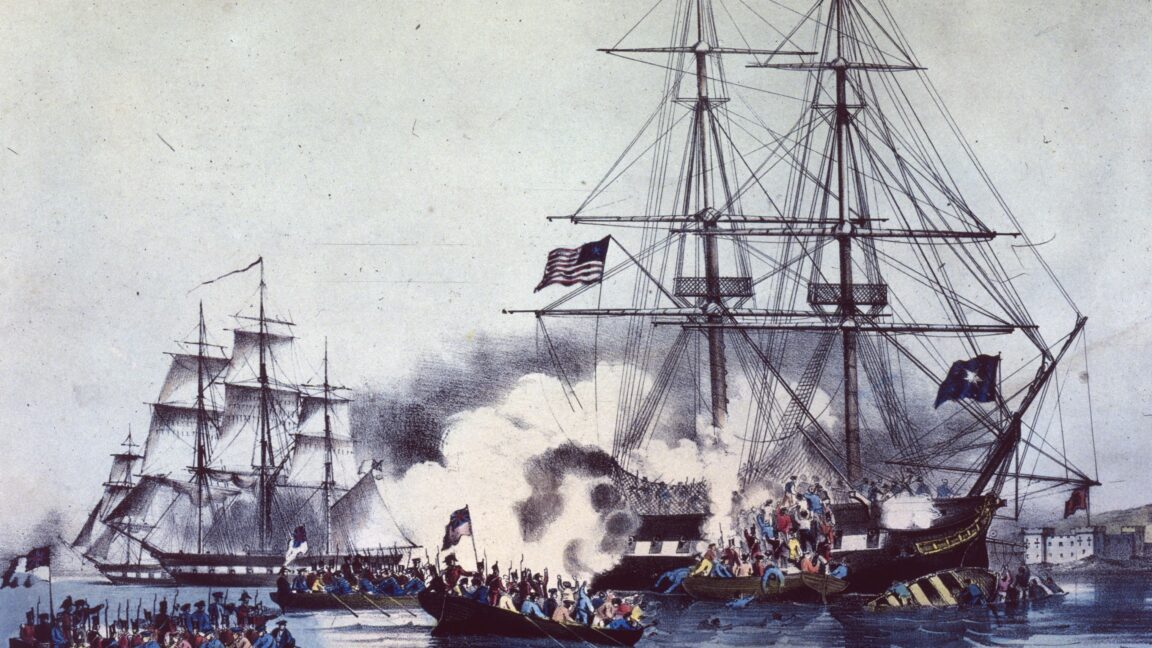
The incoming Space Force chief has rejected proposals to deploy private military contractors in space operations, drawing a parallel to historical concerns about privateers that date back to Benjamin Franklin's era.
The Space Force faces pressure to leverage commercial space capabilities as budgets tighten and competition with China intensifies. Some Pentagon officials have floated the idea of hiring private military contractors to conduct certain space operations, similar to how the Defense Department uses contractors for terrestrial missions.
The Space Force's next leader argues against this approach, citing both operational security risks and the precedent of privateering. Franklin opposed privateers during the American Revolution, viewing them as unreliable and prone to acting in their own financial interests rather than national security interests. That concern translates directly to space, where contractors might prioritize profit over strategic objectives.
The resistance reflects broader tension within the military establishment. As space becomes increasingly contested, military planners want rapid access to cutting-edge commercial technology. Yet they also worry about dependency on private entities for national defense capabilities. A contractor operating in space could theoretically be compromised or simply abandon operations if financial incentives shift.
The Space Force chief's position aligns with traditional military doctrine that critical defense infrastructure must remain under government control. Unlike commercial satellite operations, which can tolerate profit-driven decision-making, military space operations require absolute reliability and undivided loyalty to national interests.
This debate will intensify as space warfare becomes more realistic. China and Russia have demonstrated antisatellite capabilities. The U.S. military increasingly depends on satellites for communications, navigation, and intelligence. Yet building and maintaining a purely government-controlled space force capability proves expensive.
The privateering question ultimately reflects a fundamental choice: whether space defense remains a core military function or becomes partially outsourced. The Space Force's incoming leadership has made its answer clear. Government control over military space assets trumps the efficiency gains from privatization.