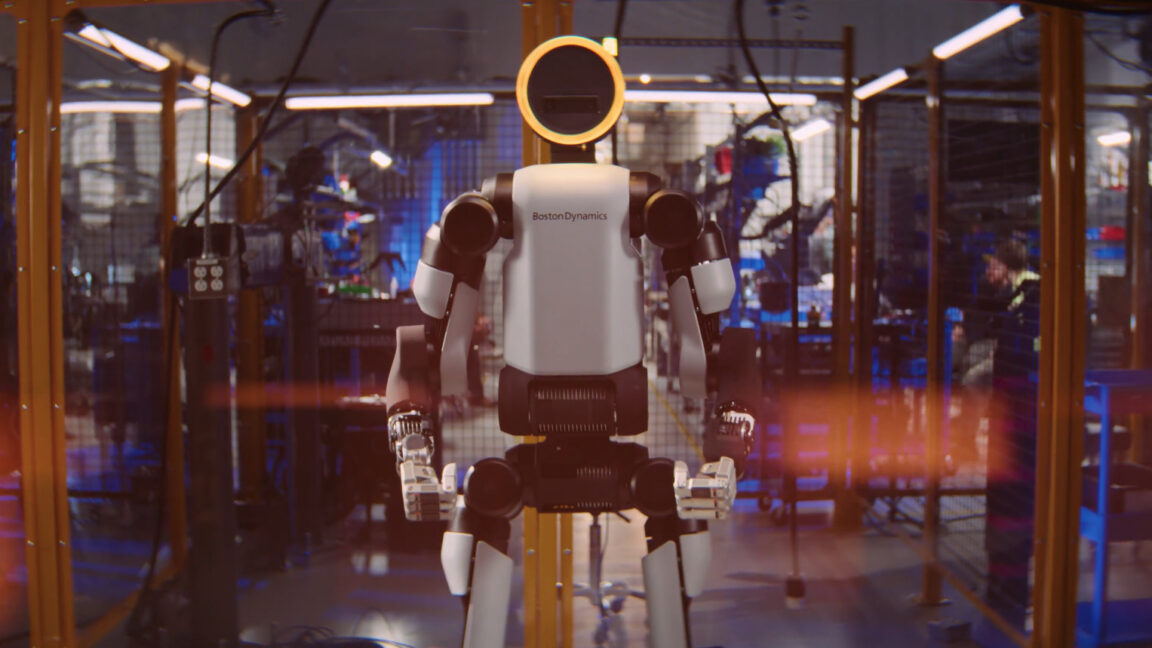
Hyundai distanced itself from claims that humanoid robots factor into ongoing labor negotiations with striking workers, even as the union has explicitly warned the automaker that any robot deployment requires union approval.
The statement comes amid broader tensions between Hyundai and its workforce over automation. The union previously issued a formal warning that the company cannot unilaterally introduce robots into its operations without negotiating terms with labor representatives. This reflects growing concern across the automotive sector about job displacement as manufacturers accelerate automation investments.
Hyundai's denial suggests the company wants to avoid inflaming an already tense labor situation. The automaker has made significant investments in robotics and artificial intelligence, including partnerships with Boston Dynamics. However, linking those initiatives directly to current strike negotiations would likely trigger additional worker backlash and complicate contract talks.
The union's preemptive stance reflects a shift in how labor organizations approach automation. Rather than opposing technology outright, unions increasingly demand a seat at the table when companies plan workforce changes. This includes negotiating transition periods, retraining programs, and protections for displaced workers.
Hyundai's current labor dispute centers on wages, benefits, and working conditions. The company faces pressure to maintain competitiveness while meeting worker demands for job security. Automation poses a real threat to manufacturing employment, particularly as humanoid robots become more capable and cost-effective.
The distinction between Hyundai's public statements and its actual automation roadmap remains unclear. The company's robotics investments continue regardless of labor talks. What matters now is whether the union can force meaningful negotiations on how and when those technologies reach the factory floor. The outcome could set precedent for how other automakers handle similar transitions with their workforces.