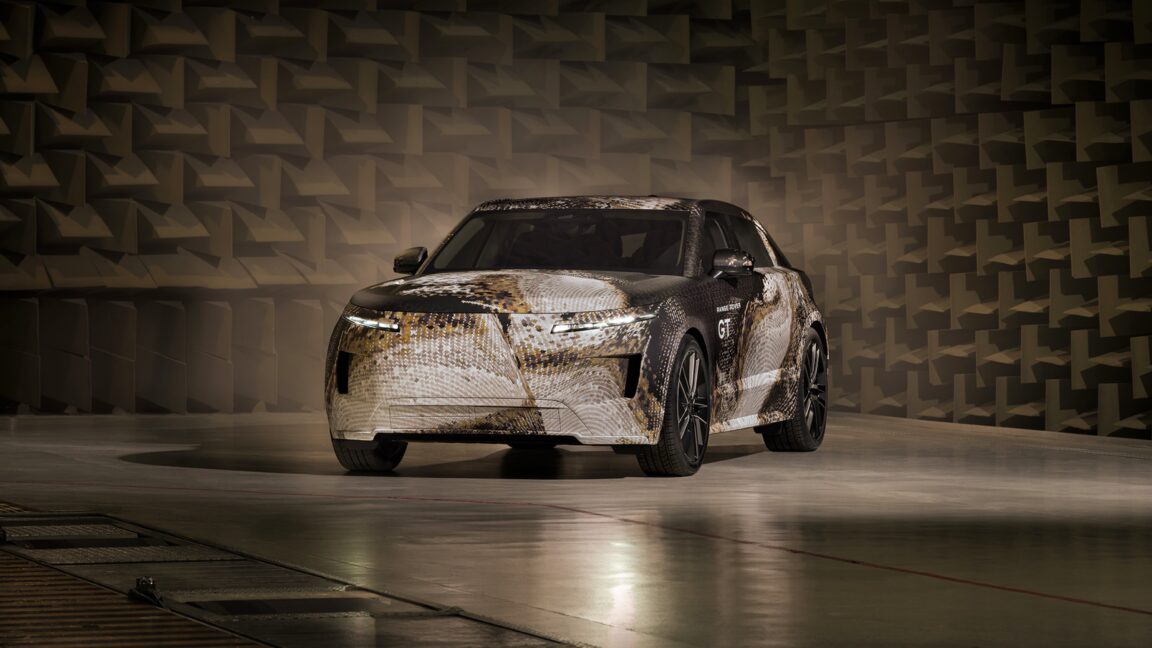
Range Rover is launching the GT, a vehicle that abandons the SUV formula entirely in favor of a grand tourer design. The company will debut the model as a fully electric vehicle, with a hybrid powertrain arriving later.
The GT represents a deliberate departure from Range Rover's core identity. Where the brand built its reputation on rugged, tall-riding utility vehicles, the GT adopts a low-slung, elongated silhouette optimized for highway performance rather than off-road capability. This positions the vehicle directly against established grand tourers like the Bentley Continental GT and Mercedes-AMG GT.
The electric-first approach signals Jaguar Land Rover's commitment to battery propulsion. By launching the GT as an EV rather than retrofitting an existing powertrain, the company avoids the weight penalties and packaging compromises that plague electrified traditional SUVs. The grand tourer segment tolerates high curb weights better than performance-focused vehicles, and long-distance highway driving suits EV range characteristics.
The hybrid variant, coming later, serves as a hedge against regional EV adoption rates and charging infrastructure maturity. Hybrid powertrains also appeal to buyers concerned about battery longevity or those preferring multi-fuel flexibility.
This move reflects broader luxury industry trends. Traditional automakers increasingly recognize that electrification requires rethinking vehicle architecture, not simply swapping engines. The GT also addresses a market gap. Luxury EV grand tourers remain relatively sparse compared to SUVs, despite strong demand among affluent buyers seeking different mobility solutions.
Range Rover's willingness to abandon its DNA carries risk. The brand has built extraordinary equity around SUVs and off-road heritage. A grand tourer dilutes that positioning. Yet the strategy acknowledges that legacy automakers cannot compete solely on their historical strengths. Electric vehicles demand fresh category thinking.