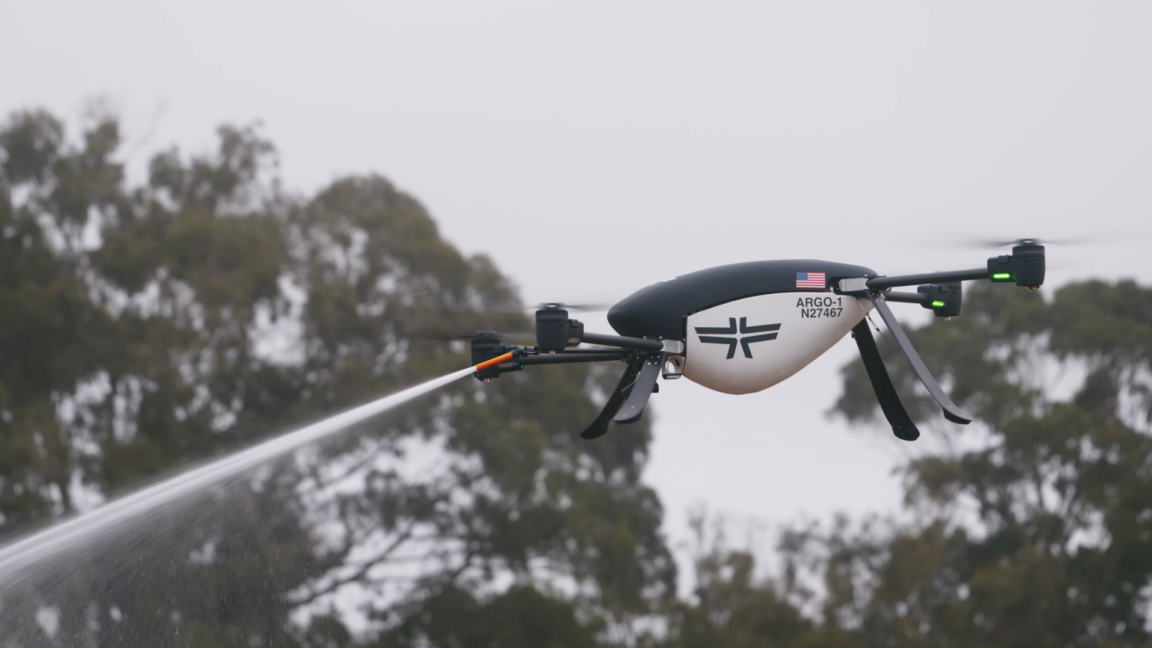
California and the XPRIZE Foundation are backing a competition to develop firefighting drones capable of suppressing wildfires before they spiral into massive conflagrations. The initiative tests whether autonomous or remotely piloted aircraft can deliver water, fire retardant, or other suppressants to stop fires in their early stages, when intervention remains most effective.
Wildfires across the US now burn year-round rather than following seasonal patterns. California faces particular pressure as the state grapples with increasingly destructive fire seasons. Traditional firefighting methods rely on ground crews and manned aircraft, both slow to mobilize and constrained by weather and terrain. Drones offer speed and access to areas where human crews face danger.
The competition challenges teams to build systems that detect fires automatically, navigate to ignition points rapidly, and deploy suppressants with precision. Drones must operate in smoky, turbulent conditions while carrying meaningful payloads. The technical hurdles are substantial. Fire detection algorithms must distinguish actual flames from reflections and false positives. Drones need flight time measured in hours, not minutes, and enough lifting capacity to make a difference against active burns.
XPRIZE structured the competition around real-world constraints. Participating teams work with live fire scenarios rather than simulations. Winners must demonstrate that their systems can reach fires within minutes of detection and deliver suppressants effectively. The stakes drive innovation in battery technology, autonomous navigation, and thermal imaging.
Success could reshape wildfire response. Early intervention prevents fires from reaching the explosive growth phase where they become nearly impossible to stop. Drones operating 24/7 could catch fires overnight when human crews rest. They would reduce risk to firefighters and potentially save lives in communities threatened by rapid fire spread.
The technology remains experimental. Drone manufacturers and startups currently focus on observation and coordination roles. Moving to active suppression requires regulatory approval from the FAA, payload