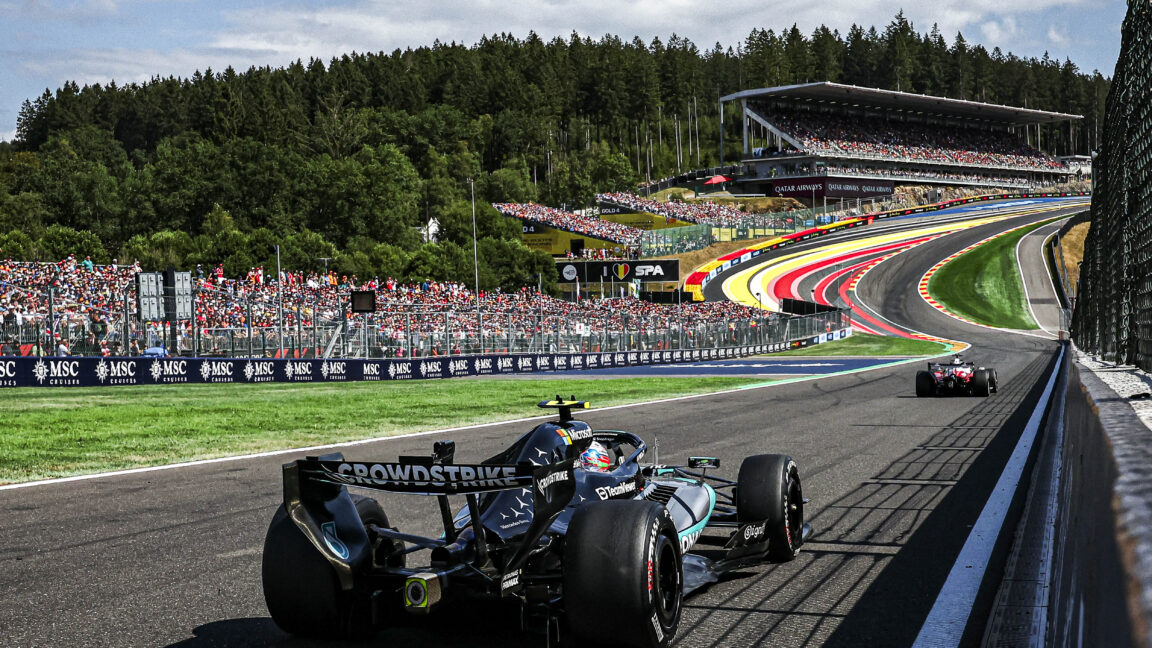
Formula 1's 2026 technical regulations are creating machines that look out of place on the sport's most demanding circuits. At Spa-Francorchamps, one of racing's most challenging and visually impressive tracks, the new generation of cars appear diminished compared to their predecessors.
The 2026 regulation changes introduce hybrid power units with increased electrical components and reduced engine displacement. These modifications shift the performance envelope in ways that don't suit high-speed, open circuits like Spa. The cars lose the aggressive stance and sheer presence that defined modern F1 machines on fast tracks.
Visual aesthetics matter in motorsport. The 2026 cars lack the muscular proportions and technical aggression of current models. Narrower tires, different aerodynamic packaging, and the altered power delivery create a car that looks less purposeful on circuits that demand precision at extreme speeds. Spa's fast corners, particularly the Eau Rouge complex, expose how these machines struggle to command respect in their environment.
The regulations prioritize different performance characteristics. More electrical power, improved efficiency, and sustainability goals drive the technical direction. These aims conflict with the raw speed and visual drama that make circuits like Spa legendary. The cars feel constrained rather than unleashed on the track.
F1 has sacrificed raw performance for environmental credentials and cost controls. Teams must work within tighter constraints. The result shifts the competitive balance toward circuits where cornering grip and straightline power matter less. Road courses with technical sections might suit the 2026 generation better than the high-speed masterpieces that built F1's reputation.
This creates a paradox. Formula 1 wants to appear cutting-edge and powerful, yet the 2026 regulations produce machines that look pedestrian against backdrops designed to showcase automotive excellence. The visual identity of the sport suffers when the cars don't match the st