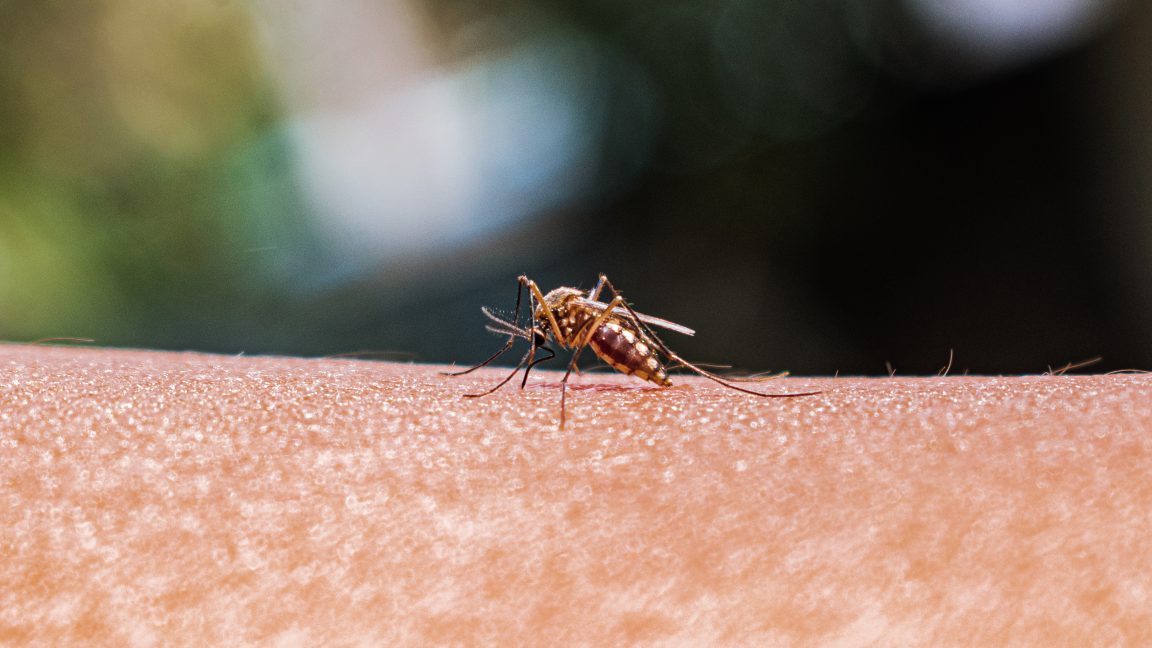
Mosquito-borne diseases are expanding into new territories as climate change shifts temperature zones and rainfall patterns. Public health agencies now face a critical challenge: detecting outbreaks early enough to prevent spread.
Current monitoring systems rely heavily on manual traps and human surveillance. Teams collect mosquitoes in specific locations, then identify species and test them for pathogens like dengue, Zika, and West Nile virus. This approach catches emerging threats but comes with steep costs. Labor, equipment, and lab analysis drain limited public health budgets, especially in regions already strained by healthcare demands.
The stakes are high. Early detection of disease-carrying mosquitoes can trigger targeted interventions before cases spike. Spraying campaigns, public warnings, and vaccination drives work best when authorities know exactly where infected mosquitoes are active. Delayed detection means more human infections.
New technologies offer partial solutions. Genomic sequencing identifies mosquito species faster than traditional morphological methods. Acoustic sensors detect mosquito flight patterns without human presence. Some labs experiment with environmental DNA sampling, which can detect mosquito species from water samples. These innovations reduce manual effort and accelerate results.
But scaling these tools faces obstacles. Equipment costs remain high for resource-constrained agencies. Data integration across regions remains fragmented. Many areas lack baseline mosquito surveillance entirely, making it impossible to detect when populations shift.
Climate projections suggest the problem intensifies. Aedes aegypti mosquitoes, which carry dengue and Zika, continue spreading northward in North America. Anopheles species that transmit malaria are moving into higher altitudes in Africa. Without robust monitoring infrastructure, health systems will struggle to respond.
Public health officials argue for sustained funding to establish permanent monitoring networks, not emergency spending after outbreaks occur. Coordinated surveillance across state and national borders would catch range expansions earlier. Investment in mosquito