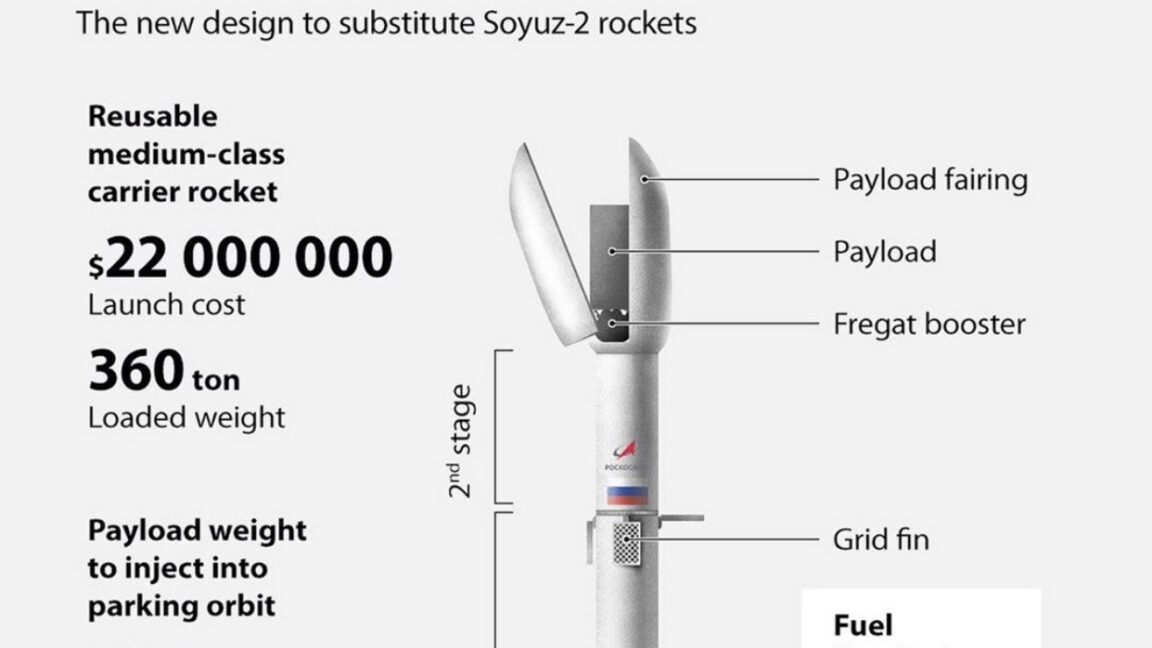
Russia's space industry has announced plans for a reusable rocket system designed to compete with SpaceX's Falcon 9, with grasshopper-like test flights potentially beginning in 2028. The project represents Moscow's effort to regain competitiveness in commercial spaceflight after years of isolation and technical setbacks.
The Russian rocket, still in conceptual stages, aims to match the Falcon 9's core capability: vertical landing and reusability. This approach dramatically reduces launch costs by recovering the most expensive hardware component. SpaceX demonstrated the viability of this technology years ago, achieving routine booster landings and reuse since 2015. Russia's timeline of grasshopper tests in 2028 places the program roughly a decade behind current SpaceX capabilities.
Technical hurdles remain substantial. Russia lacks recent experience with large-scale rocket reusability. The space industry faces brain drain, sanctions-driven supply chain disruptions, and diminished access to Western components and expertise. International collaboration, once a cornerstone of Russian spaceflight, has largely evaporated due to geopolitical tensions.
The program's funding status and specific design details remain unclear from available reports. Russian space agency Roscosmos has made ambitious announcements before that failed to materialize on schedule. The organization's financial constraints have grown tighter following sanctions imposed in 2022.
Even if grasshopper tests proceed as planned, reaching operational status would require successful demonstrations of autonomous landing systems, structural durability through repeated flights, and rapid turnaround procedures between launches. SpaceX solved these problems through years of iterative testing and billions in investment. Replicating that progress requires sustained resources and technical talent Russia currently struggles to maintain.
The 2028 timeline suggests Russian officials recognize the urgency of catching up in commercial spaceflight. Whether the project delivers working hardware or joins a long list of delayed