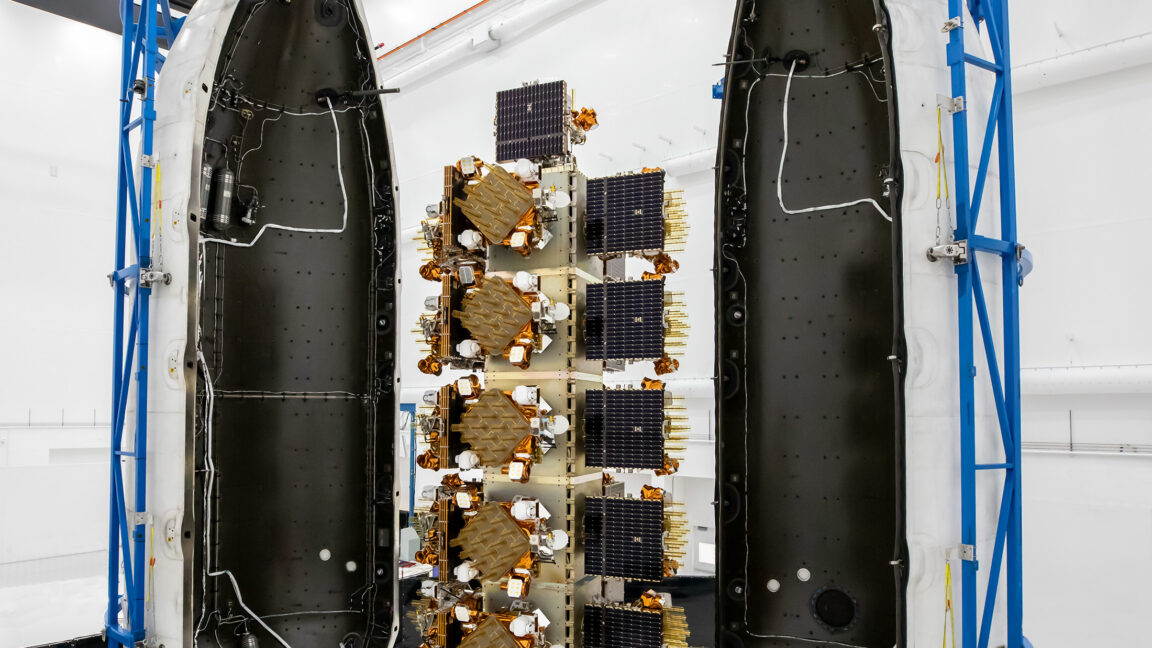
The Pentagon's Space Development Agency faces mounting pressure to accelerate its timeline for deploying military space capabilities, according to defense officials citing ongoing operational demands. The agency, tasked with building a resilient space architecture for U.S. forces, has encountered delays that concern military leadership overseeing active conflicts.
The urgency stems from real-world threats. Operation Epic Fury demonstrates that adversaries actively target joint forces with missile strikes, creating immediate demand for responsive space-based communication, surveillance, and targeting systems. The SDA's mandate involves replacing aging satellite infrastructure with a faster, more distributed network resilient to attack. Yet the organization has struggled to match the speed of threat escalation.
Several factors slow the SDA's progress. Procurement processes remain bureaucratic despite recent reforms. Coordination between the military branches and private contractors introduces complexity. Manufacturing capacity for advanced satellites lags demand. Budget constraints, though improving, still constrain ambitious timelines.
The SDA operates under a compressed schedule that prioritizes rapid iteration over traditional defense procurement's lengthy development cycles. Its modular approach and emphasis on commercial partnerships represent genuine innovation in how the Pentagon acquires space systems. Yet even this modernized framework cannot overcome systemic delays in integration, testing, and deployment.
Military commanders argue the gap between capability needs and deployment creates strategic vulnerability. Adversaries exploit this window. The longer the SDA takes to field systems, the more exposed U.S. forces become to disruption of space-based services they increasingly depend upon for modern operations.
The agency has demonstrated commitment to acceleration through reorganization and staffing increases. Recent leadership changes aim to remove bottlenecks. Funding boosts announced in successive budget cycles show congressional support. But intent alone doesn't compress timelines already constrained by physics, manufacturing, and organizational inertia.
The core tension remains unresolved. Military needs demand immediate deployment of capabilities that require years to design, build