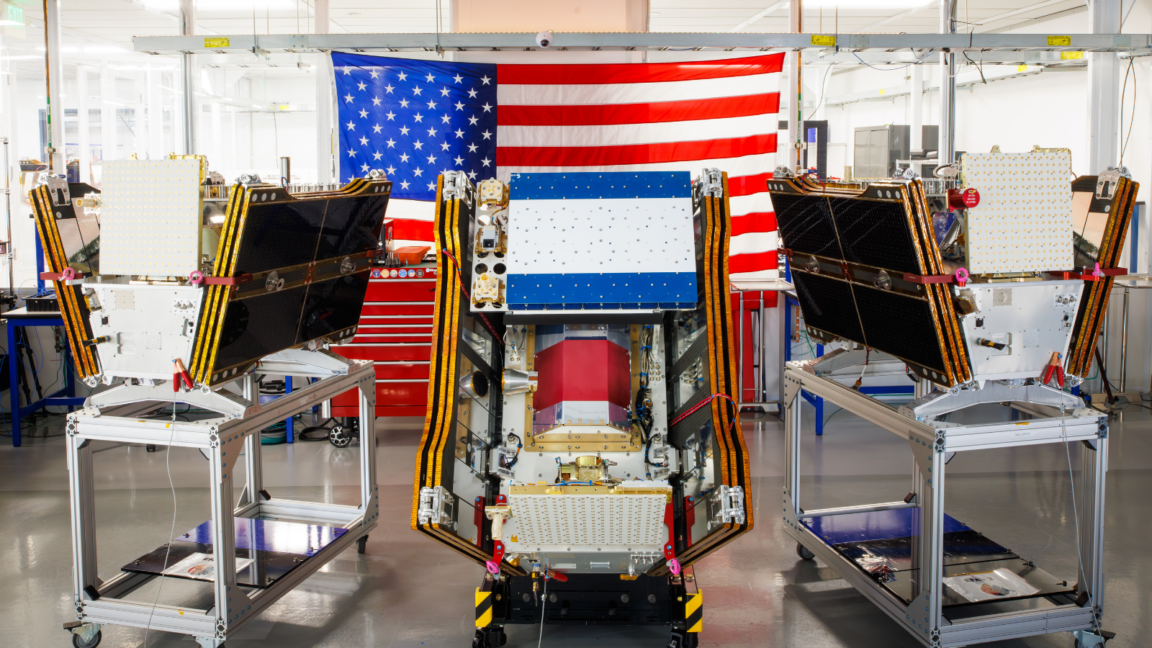
Google-backed FireSat satellites launched as smoke from devastating wildfires blankets the US and Canada, offering a critical tool for early detection that existing satellite networks struggle to catch.
The FireSat program uses specialized infrared sensors designed to detect wildfires in their early stages, when traditional satellites often miss them. This matters because the first hours of a fire determine its trajectory. Earlier detection means faster response from ground crews, potentially preventing small fires from becoming massive.
FireSat operates differently from standard weather and Earth observation satellites. It focuses on heat signatures across large geographic areas with higher temporal resolution than competitors like Landsat or Sentinel. The constellation can revisit the same location more frequently, catching fires that break out between passes of conventional systems.
The launch arrives amid an active wildfire season. Smoke from Canadian wildfires traveled thousands of miles to shroud major US cities, including New York, in unhealthy air. The US Southwest faces its own fire pressure. This timing underscores the real-world urgency behind the technology.
Google's involvement signals broader tech industry interest in applying satellites to environmental monitoring. The company joins others like SpaceX and Planet Labs in commercializing space assets for climate and disaster response. FireSat's backers believe the constellation could reduce response times significantly, potentially saving lives and property.
However, satellite detection alone solves only part of the problem. Governments and local agencies still need resources to actually fight fires once detected. Underfunded fire departments and limited firefighting capacity remain bottlenecks in many regions. Better detection without corresponding ground resources delivers limited practical benefit.
The technology does offer value for remote areas where human spotters cannot reach or where terrain makes early identification difficult. Mountain ranges and vast forests where fires historically burn undetected for hours represent FireSat's strongest use cases.
Expect the constellation to expand over coming years as Google and partners expand coverage