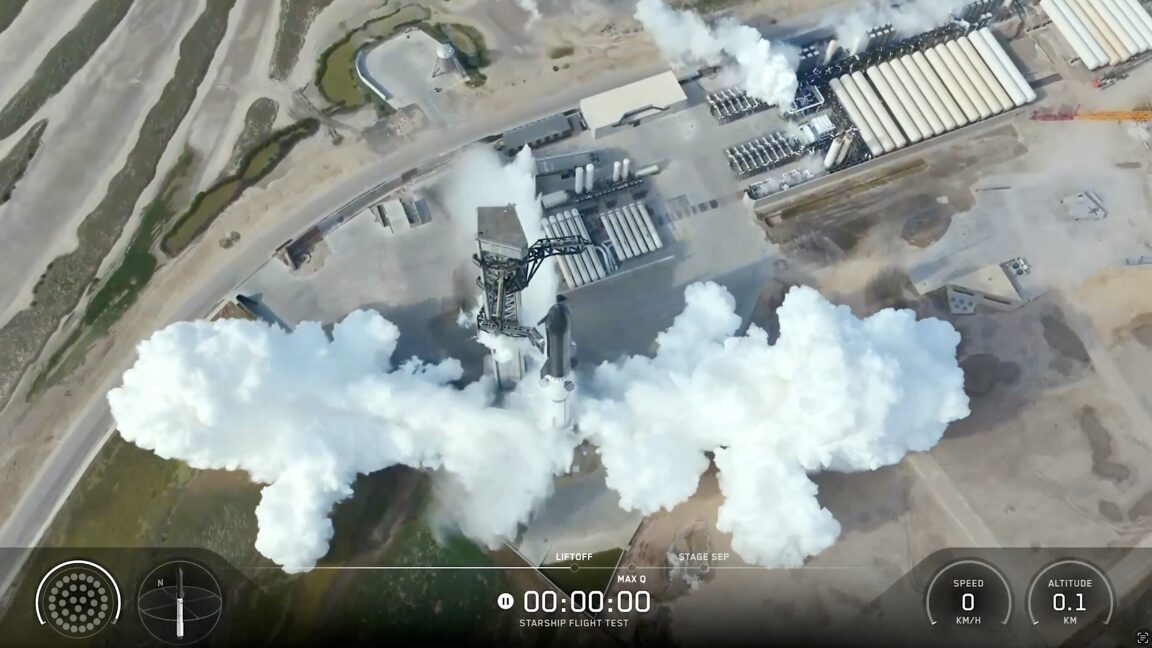
SpaceX scrubbed a Starship launch after multiple engines failed to ignite during the countdown sequence. The company posted on social media that it was offloading propellant and targeting another attempt within days.
The abort occurred moments before liftoff when several of Starship's engines did not fire as expected. This marks another setback in SpaceX's rapid testing campaign for its fully reusable super-heavy launch system. Starship represents the company's next-generation vehicle designed for lunar missions, Mars colonization, and eventual deep space exploration.
Engine reliability remains a critical hurdle for Starship development. The vehicle's first-stage booster, Super Heavy, contains 33 Raptor engines clustered at its base. All must ignite in precise sequence for a successful ascent. Previous test flights have revealed various technical challenges, from structural failures to avionics malfunctions to engine performance issues.
SpaceX's testing approach prioritizes rapid iteration over extended ground preparation. The company conducts frequent launch attempts, gathers data from failures, implements fixes, and tries again within days or weeks. This strategy has accelerated development timelines but occasionally produces scrubs like this one.
The quick turnaround timeline SpaceX cited suggests engineers identified the problem during engine startup diagnostics. Potential causes range from minor sensor glitches to more serious engine hardware issues. The company will conduct post-flight analysis to determine what prevented ignition and whether additional components require inspection or replacement.
SpaceX aims to conduct multiple Starship test flights annually to mature the system. Recent flights have demonstrated significant progress in booster catch systems, heat shield tile performance, and overall vehicle control during powered flight. Each test generates terabytes of telemetry data that feeds back into design refinements.
The launch cadence reflects SpaceX's broader strategy of treating development as an engineering process rather than