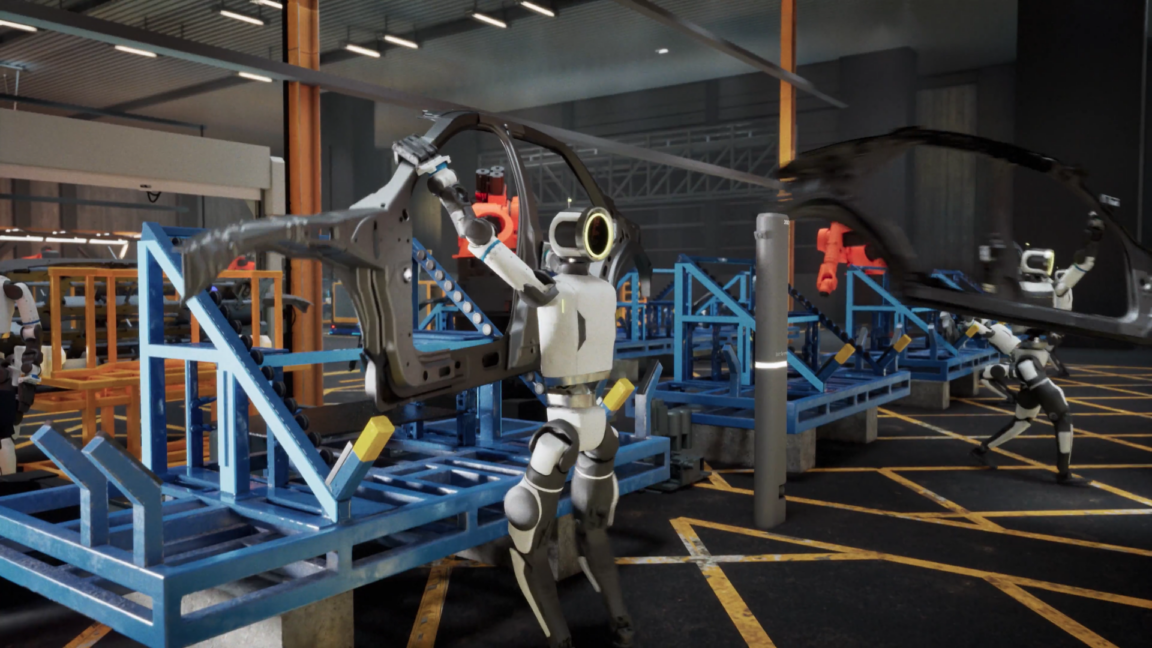
Hyundai's plan to deploy 25,000 Atlas humanoid robots across its factories, beginning with US facilities in 2028, has triggered labor unrest. Workers at Hyundai's plants are striking over concerns that the company will replace human jobs with automation.
The Korean automaker has committed to a large-scale robotics rollout using Boston Dynamics' Atlas platform. Atlas robots, which stand six feet tall and feature sophisticated dexterity, can perform assembly line tasks alongside human workers. Hyundai views this investment as essential to maintaining manufacturing competitiveness and addressing labor shortages in markets like the United States.
Union representatives argue the company has failed to guarantee job security and retraining programs for affected workers. The strikes reflect broader anxiety in manufacturing: as robots become more capable at complex tasks, workers face genuine displacement risk without adequate protections.
The timeline matters here. 2028 gives Hyundai roughly three years to operationalize this deployment at scale. That's aggressive for introducing humanoid robots to factory floors, suggesting Hyundai believes the technology is ready and economically justified.
Boston Dynamics has positioned Atlas as a collaborative worker, not a replacement. The company emphasizes that robots handle repetitive or dangerous tasks while humans handle decision-making and problem-solving. Whether that philosophy holds when 25,000 units are deployed remains unclear.
For automakers, the economics drive the push. Labor costs in developed markets remain high. Robots work 24/7 without benefits. As manufacturing becomes increasingly competitive globally, companies that don't automate risk losing market share. Hyundai's bet reflects that reality.
The strikes expose the gap between corporate automation strategy and worker protection policy. Neither Hyundai nor US labor law has effectively addressed how large-scale humanoid robot deployment should balance efficiency gains with employment stability. This Hyundai labor conflict will