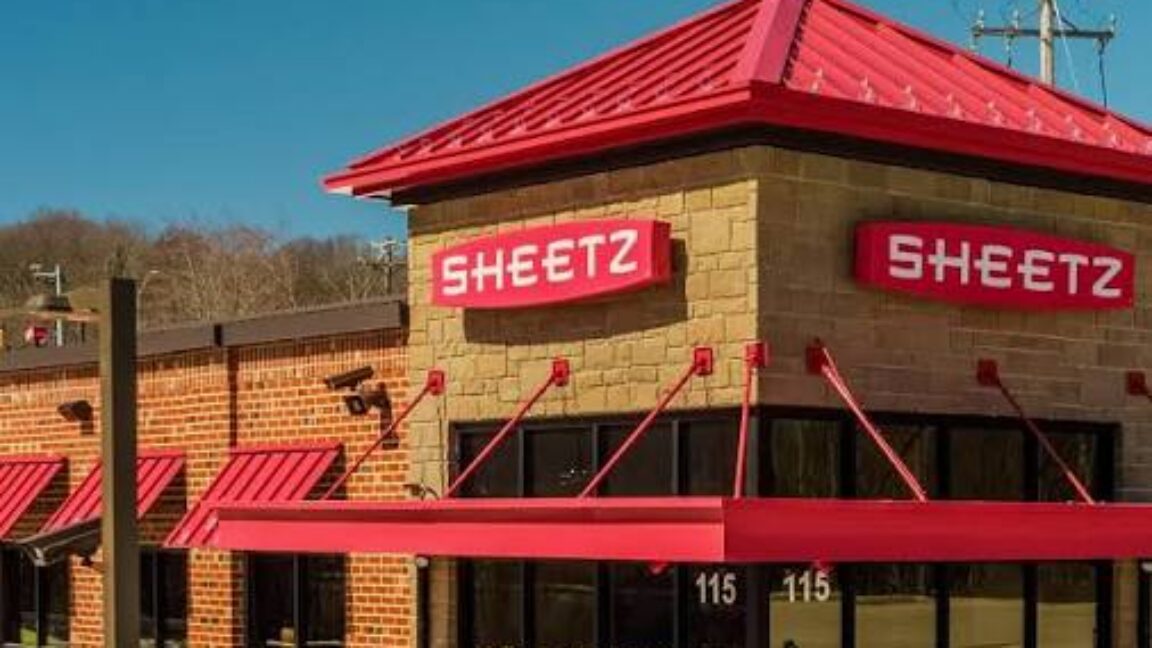
Sheetz, the Pennsylvania-based convenience store chain with over 700 locations, is abandoning VMware and migrating approximately 11,000 virtual machines to StorMagic. The move represents a significant infrastructure shift for the retailer as it reassesses its virtualization strategy.
StorMagic, a privately held software company, provides virtualization and storage management solutions. The company's platform allows organizations to consolidate workloads and reduce hardware footprint, which appears to align with Sheetz's operational goals. The migration will likely take place over several months given the scale of the operation.
This departure from VMware comes at a pivotal moment for the virtualization giant. Broadcom's acquisition of VMware in November 2023 for $61 billion triggered substantial business upheaval. The company consolidated its product portfolio, discontinued support for certain legacy versions, and implemented aggressive pricing changes. These shifts prompted several major enterprises to evaluate alternatives or migrate existing workloads.
For Sheetz, the decision signals dissatisfaction with VMware's post-acquisition direction. The chain operates a distributed network of stores requiring reliable point-of-sale systems, inventory management, and backend infrastructure. Virtualization underpins these critical functions, making the infrastructure decision non-trivial.
StorMagic positions itself as a cost-effective alternative to enterprise hypervisors. The platform emphasizes ease of management and reduced complexity, features that likely appeal to organizations feeling sticker shock from Broadcom's licensing adjustments.
The migration demonstrates growing vendor attrition in the VMware ecosystem. Several mid-market and enterprise clients have initiated similar transitions following Broadcom's acquisition and restructuring. While VMware maintains dominant market share, competitors including Proxmox, Nutanix, and others are capturing organizations reconsidering their virtualization investments.
Sheetz's 11,000-machine migration