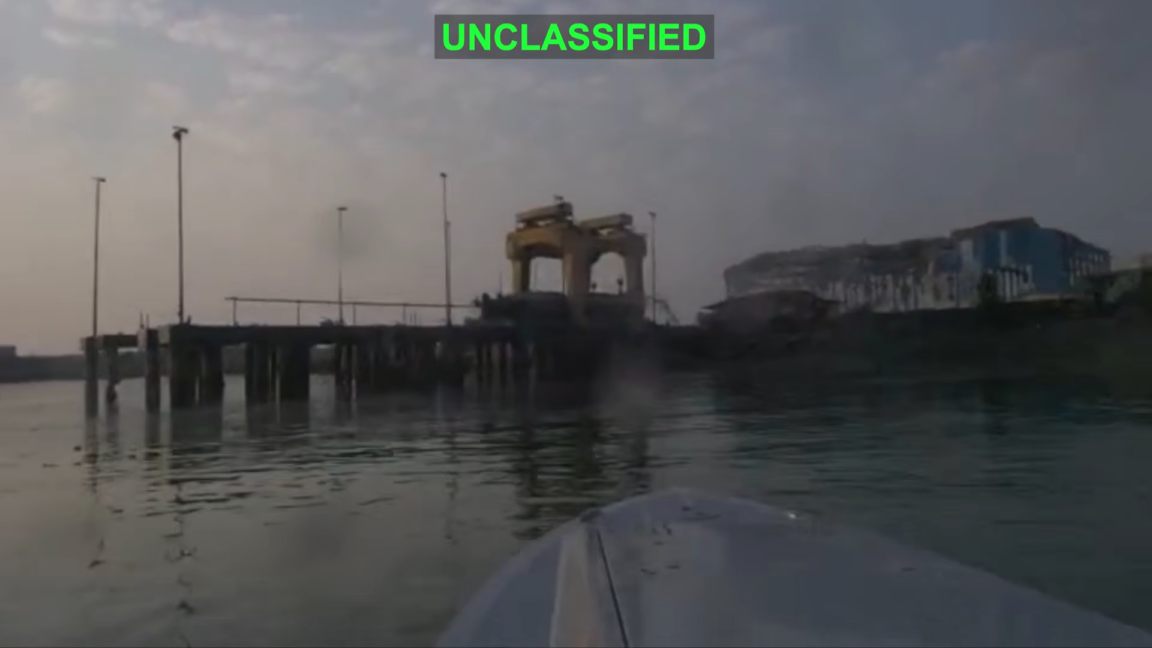
The U.S. military deployed explosive autonomous maritime drones in combat for the first time, targeting an Iranian naval facility. The attack marks a watershed moment in military technology, introducing unmanned surface vehicles (USVs) equipped with explosives into active conflict zones.
The drone boats struck the port with precision, delivering significant damage. This deployment represents years of development by U.S. defense contractors and military research labs. The vehicles operate with varying levels of autonomy, combining remote piloting with pre-programmed navigation and target recognition.
The tactical advantages are clear. Drone boats eliminate pilot risk, offer lower cost per operation than manned vessels, and can swarm targets in ways traditional forces cannot. They navigate shallow waters where larger warships operate poorly. The Iranian naval port strike demonstrates this capability in real combat conditions.
The technology raises immediate strategic questions. Autonomous weapons systems in maritime warfare create new escalation dynamics. Iranian forces now face threats they cannot easily counter with traditional naval defenses. The precedent of using explosive USVs shifts how naval conflict unfolds going forward.
Commercially available drone boat technology exists from manufacturers like ASV and Textron Systems. Military versions integrate specialized sensors, autonomous targeting systems, and hardened communications. The vehicles typically operate within line-of-sight range or via satellite links, though full autonomy versions are in development.
This deployment comes amid escalating tensions in the Middle East. The U.S. military views drone boats as force multipliers in contested waters. They support broader strategic goals without exposing American personnel to direct harm.
The weapons system's newness means doctrine is still forming. How Iranian forces respond will influence future maritime conflicts globally. Other nations, including China and Russia, are developing similar capabilities. The first operational use establishes what's technically possible and politically acceptable in naval warfare.