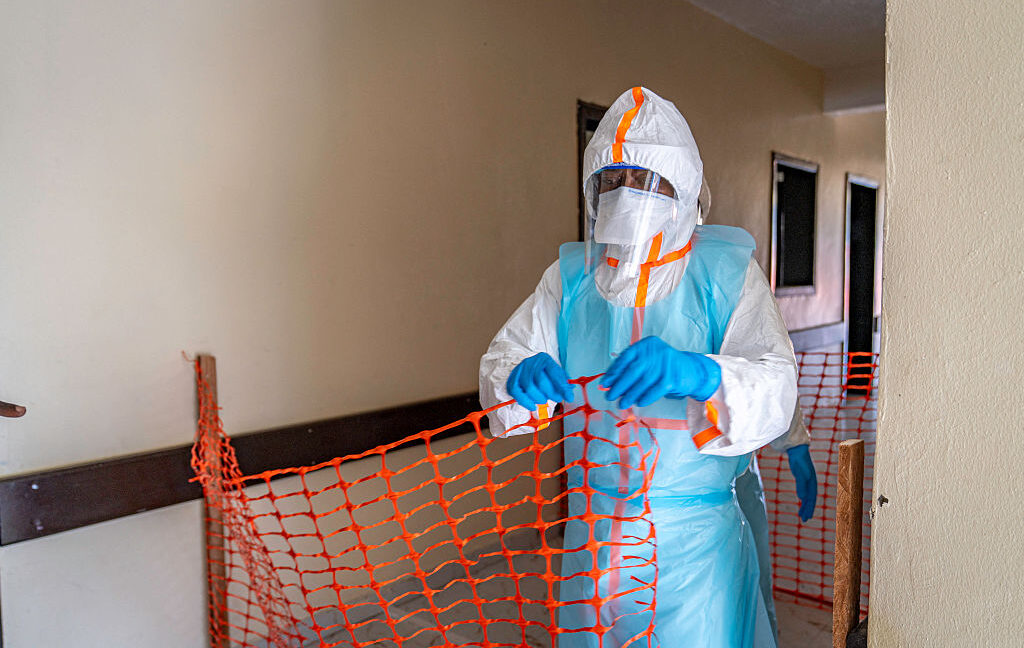
The Trump administration has placed American citizens stranded in the Democratic Republic of Congo on a "do-not-board" list, effectively blocking their return to the United States. The policy requires affected Americans to spend 21 days in a third country before they can travel home.
The measure appears tied to health screening concerns, though the administration has not issued detailed public guidance on the reasoning. Citizens currently in Congo face immediate travel restrictions that force them into a mandatory third-country quarantine period before domestic entry is permitted.
This approach differs sharply from standard evacuation protocols. Typically, the State Department facilitates direct return flights for American citizens in crisis situations, with medical screening handled upon arrival in the US. The new requirement adds logistical complexity and financial burden to people already in difficult circumstances.
The restriction applies regardless of individual health status or vaccination records. Americans in Congo report confusion about the policy's duration and whether exceptions will be granted for medical emergencies or other hardships.
This decision raises questions about legal authority. The administration appears to be using transportation restrictions rather than traditional visa or entry denials to enforce the policy. Legal experts note that citizens generally retain a constitutional right to return home, and extended bars on re-entry face scrutiny under precedent.
The Congo situation reflects broader tension over pandemic-era health policies. While COVID-19 restrictions have largely ended worldwide, some officials continue citing public health grounds for entry barriers. The specific threat level in Congo that triggered this measure remains unstated.
Affected Americans report being told informally about the policy through unofficial channels rather than formal State Department communications. This lack of transparency has left many uncertain about enforcement duration and appeal processes.
The policy affects an unknown number of citizens, many of whom work for NGOs, diplomatic missions, or international organizations in Congo. Their employers have protested the restriction as impractical and punitive.