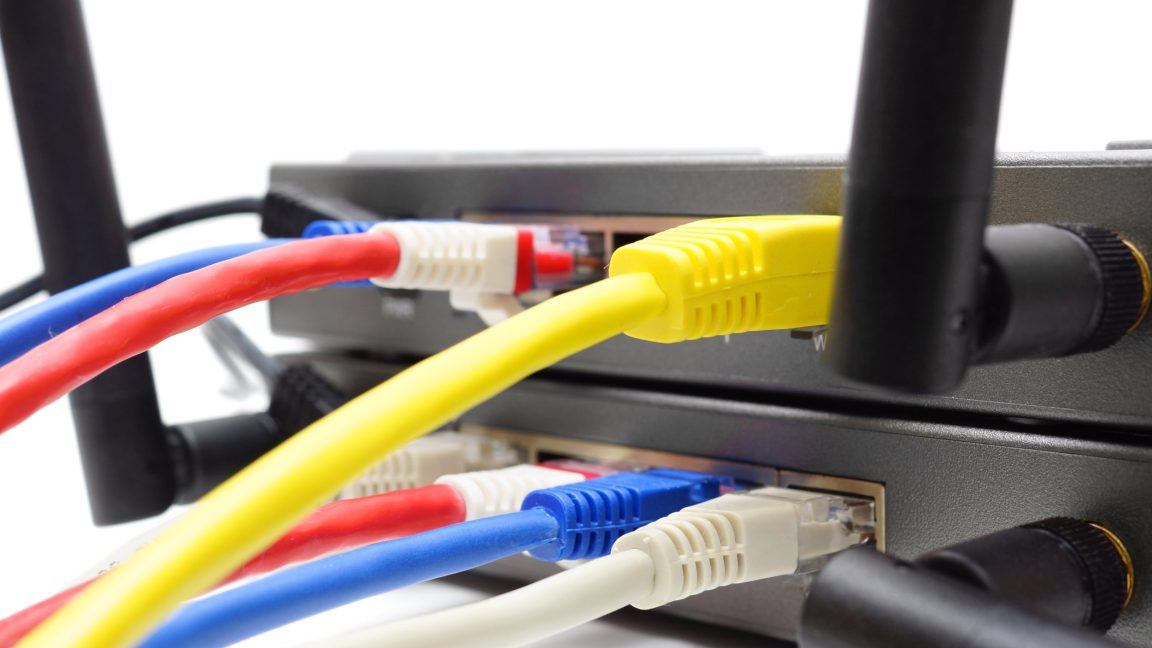
The US Cybersecurity and Infrastructure Security Agency (CISA) issued a public warning that Russian state-sponsored hackers are actively targeting residential routers to gain network access. The alert comes as cyber criminals increasingly exploit compromised home devices as entry points for larger attacks.
Russian threat actors seek to commandeer routers to create what's known as residential proxy networks. These botnets allow hackers to route malicious traffic through legitimate home internet connections, making attacks harder to trace and block. The distributed nature of residential proxies makes them valuable for credential stuffing, account takeovers, and evading security defenses that flag suspicious IP addresses.
CISA recommends router owners take immediate steps to secure their devices. Users should change default credentials on their routers immediately, apply available firmware updates, and disable remote management features if not actively needed. The agency also advises disabling UPnP (Universal Plug and Play) functionality, which can allow attackers to remotely manipulate port forwarding settings without authentication.
The warning reflects a broader trend in cybercrime. Rather than targeting routers for direct data theft, threat actors now weaponize them as infrastructure for launching attacks against businesses and individuals. A single compromised residential proxy network can involve thousands of home devices, each amplifying the attacker's reach.
Russian state-sponsored groups have shown particular sophistication in these operations. Their targeting of residential routers suggests a calculated approach to establishing persistent access to US network infrastructure. The attacks typically begin with brute-force attempts against routers using common default passwords or known vulnerabilities in outdated firmware.
CISA's public warning indicates the scope of the threat warrants immediate awareness. Home network security often ranks low on user priority lists, making routers attractive targets. Manufacturers bear responsibility too. Many continue shipping routers with default credentials and delayed security patches, creating vulnerabilities that persist for months or years.