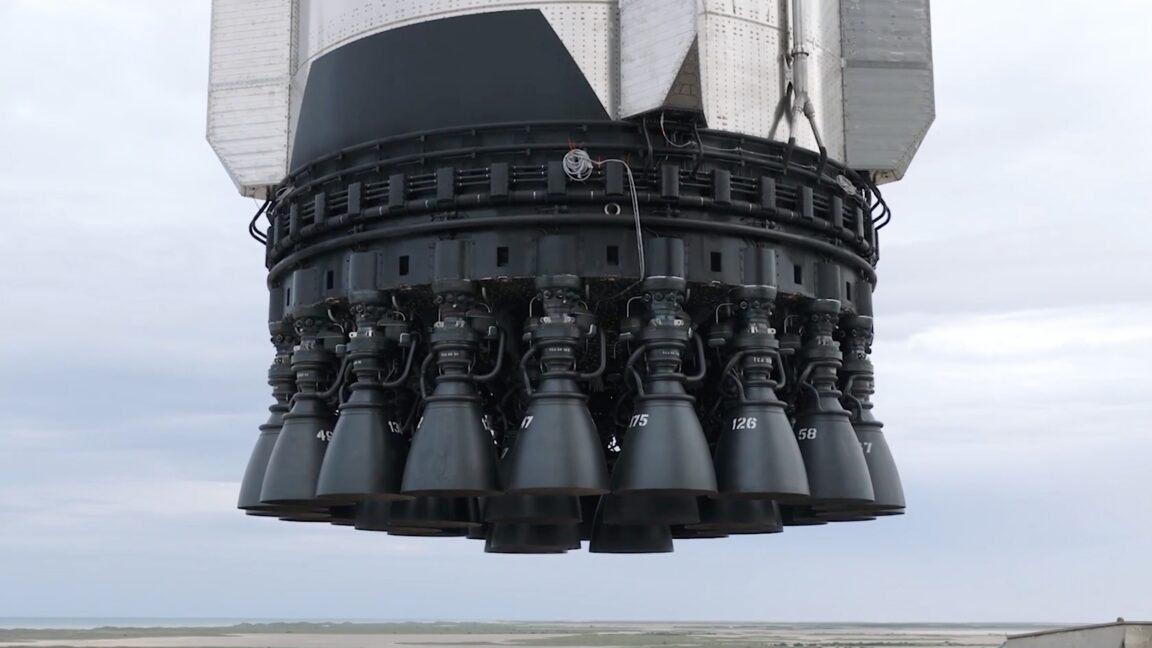
SpaceX prepares for Starship's 13th integrated test flight this week, pushing the fully reusable rocket toward operational readiness. The test will subject Starship to higher structural and thermal pressures than previous attempts, advancing the vehicle closer to sustained flight operations.
The flight carries dual objectives. First, engineers will stress Starship's systems beyond earlier parameters, gathering data on how the vehicle handles extreme conditions. This incremental testing approach reflects SpaceX's rapid iteration strategy, where each flight validates specific engineering improvements before moving to the next challenge.
Second, the test flight serves as a deployment mission for new-generation Starlink satellites. SpaceX continues refining its satellite bus design to improve performance and reduce manufacturing costs. Deploying operational hardware during test flights maximizes the vehicle's utility while still gathering engineering telemetry.
The higher-pressure testing marks a transition in Starship's development phase. Earlier flights focused on basic vehicle control, booster catch systems, and establishing repeatable flight profiles. Test 13 shifts emphasis toward demonstrating that Starship can handle the stresses of realistic operational conditions. This includes elevated internal tank pressures, more aggressive flight profiles, and extended duration missions.
Success here opens pathways for subsequent tests targeting orbital refueling demonstrations and eventually lunar cargo missions under NASA's Artemis program. SpaceX operates on a compressed timeline, conducting multiple test flights per year to compress years of traditional aerospace development into months.
The Starlink satellite deployment adds practical value beyond engineering data. Each successful launch advances SpaceX's broader constellation goals while the company simultaneously develops Starship's capabilities. This dual-purpose approach differs sharply from traditional aerospace, where test vehicles carry only instrumentation.
Weather and technical readiness will determine exact launch timing this week. SpaceX maintains launch flexibility, often scrubbing missions for marginal conditions to maximize test success rates.