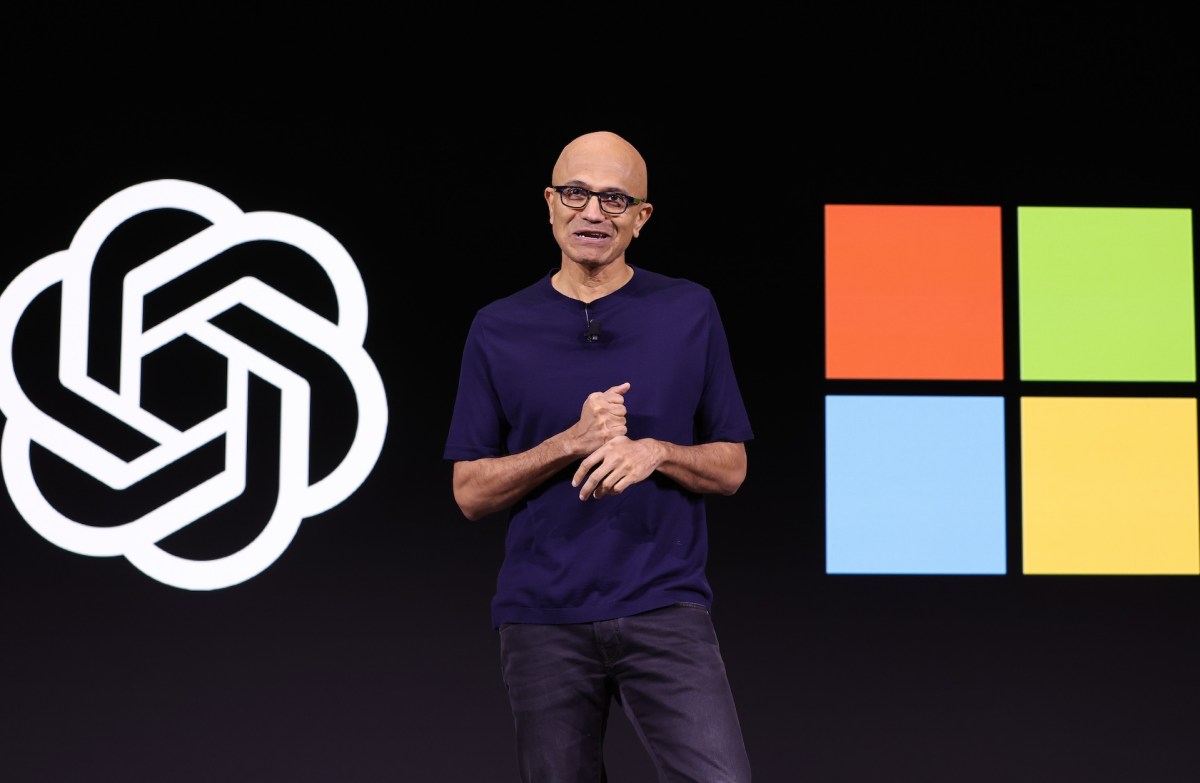
Microsoft CEO Satya Nadella has warned companies against over-reliance on proprietary AI models from major tech firms, cautioning that vendor lock-in poses a genuine business risk. The concern echoes a recurring anxiety among enterprise leaders: that committing to closed-source AI systems from giants like OpenAI, Google, and Anthropic could leave organizations dependent on the pricing whims and strategic decisions of a handful of vendors.
Nadella's warning reflects a broader tension within the AI industry. While large models delivered by major labs dominate performance benchmarks and media attention, they come with contractual constraints, limited transparency, and the ever-present threat of price increases or sudden policy shifts. Companies betting their operations on these systems face potential disruption if their provider changes terms or deprecates key features.
The Trojan horse framing carries weight. Organizations investing heavily in proprietary model integration must retrain staff, rebuild workflows, and port systems if conditions become untenable. The switching costs are substantial. Nadella's message suggests Microsoft, which has heavily invested in OpenAI but also pushes its own open-source alternatives and Azure infrastructure, sees leverage in positioning itself as offering escape routes from complete vendor capture.
Open-source models present an alternative, though not without tradeoffs. They grant organizations independence and transparency but demand internal expertise to deploy, fine-tune, and maintain. Most enterprises lack that infrastructure. The middle ground involves hybrid strategies: using proprietary models for high-stakes applications while building competency around open alternatives for flexibility.
Nadella's intervention matters because Microsoft's scale lets it amplify concerns others voiced quietly. Enterprise buyers listen when a CEO of a company this size signals warnings about rivals. His warning likely accelerates conversations about AI procurement strategy and the true cost of convenience.
The underlying issue remains unresolved. Companies need the best models today, but they also need optionality tomorrow.