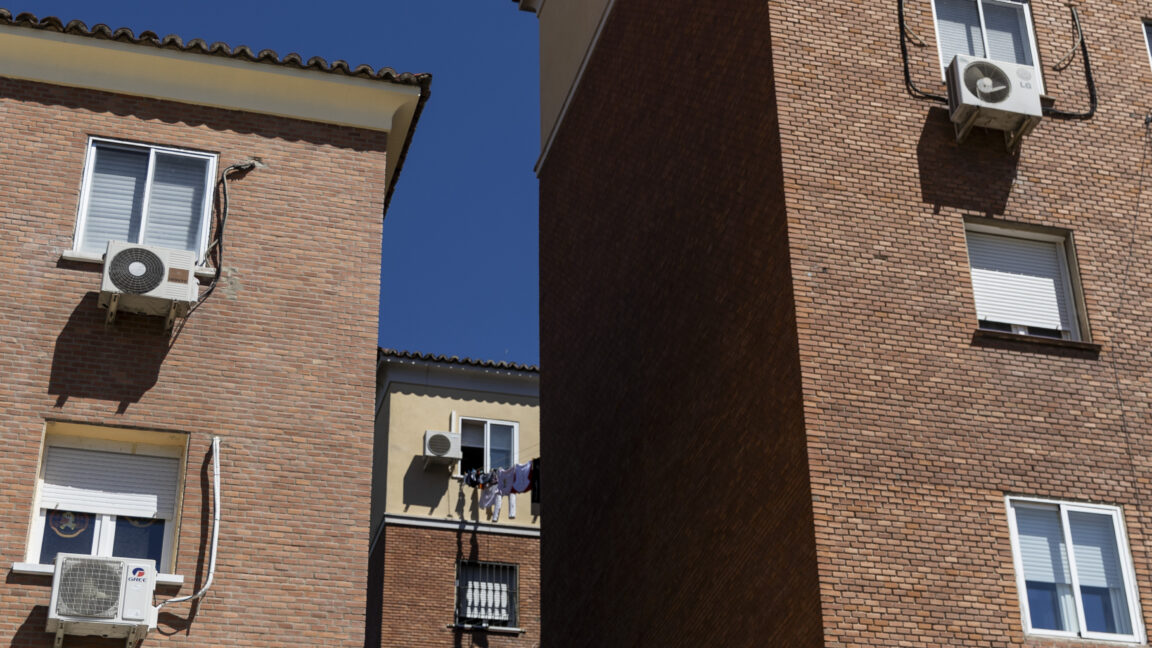
Europe faces a paradox. Rising temperatures push demand for air conditioning higher each summer, yet the continent remains skeptical of AC systems that many see as wasteful energy hogs. New cooling technologies promise to break this deadlock.
Heat waves across southern Europe have shattered records, forcing governments and businesses to confront uncomfortable truths about climate adaptation. Traditional AC units consume massive electricity loads and rely on refrigerants that contribute to climate damage if leaked. This creates friction in countries like Germany and France, where AC adoption remains low compared to the US.
Several emerging technologies now offer alternatives. Evaporative cooling systems, which use water evaporation rather than refrigerants, operate at a fraction of standard AC's power draw. They work best in dry climates but could address peak cooling needs in Mediterranean regions. Passive cooling approaches like thermal mass materials and advanced window coatings reduce indoor temperatures without active systems. Some manufacturers develop next-generation heat pumps that pull warmth from outdoor air far more efficiently than older models.
The economic calculus shifts as electricity prices spike and climate risks intensify. European energy markets now incentivize efficiency over tradition. Building codes in the EU increasingly mandate cooling capability in new construction, creating market pressure for better solutions. Meanwhile, research into environmentally benign refrigerants accelerates, with hydrofluoroolefin replacements gaining regulatory approval.
The real barrier remains cultural. Germans historically view AC as American excess. France's building standards long excluded it. These attitudes persist despite temperatures climbing toward levels that make cooling a health necessity rather than luxury. Younger Europeans show different preferences, more accepting of AC if it uses green technology.
Companies investing in advanced cooling report growing demand from European facilities managers worried about employee productivity and equipment reliability during heat events. Retrofitting existing buildings presents challenges, but new construction embraces efficiency-first cooling designs.
Europe's AC revolution will look different from America's sprawl