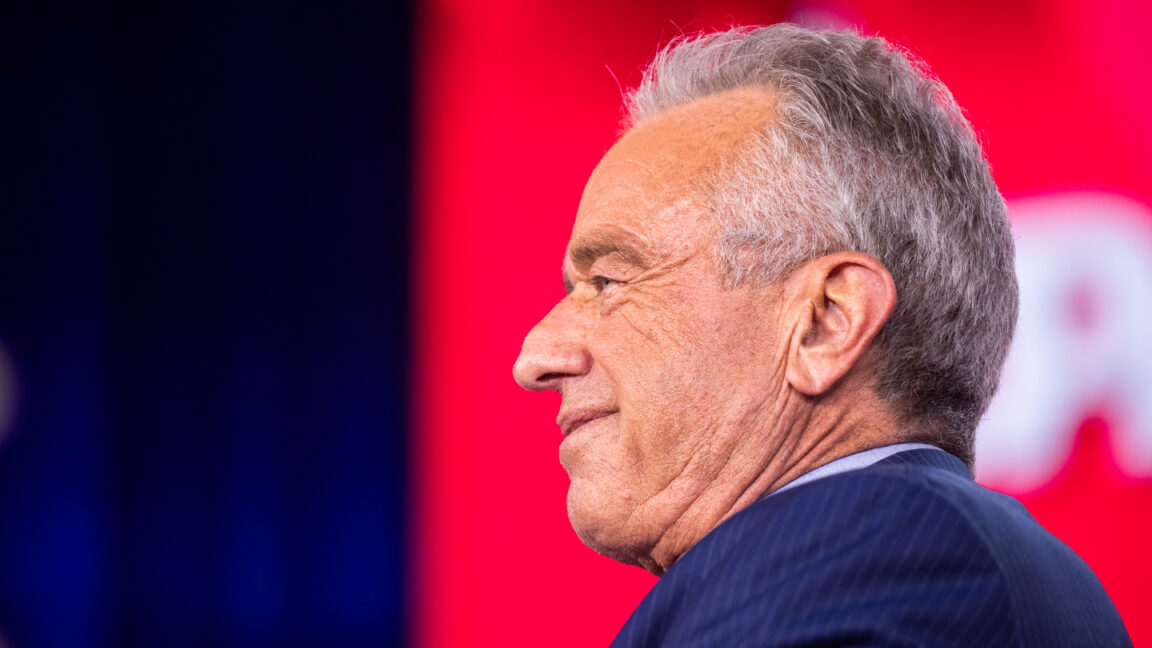
A new study quantifies the public health damage from reverting measles vaccination schedules to older protocols, as proposed by Robert F. Kennedy Jr., who serves as Secretary of the Department of Health and Human Services.
The research examines the consequences of abandoning the current combined MMR (measles, mumps, rubella) vaccine schedule in favor of a delayed, separated approach. Kennedy has promoted spacing out vaccines and delaying immunization, claims contradicted by decades of epidemiological data showing no link between vaccine timing and autism.
The study focuses on toddlers who would face the longest gap between infection risk and immunity under a spaced-out schedule. Children aged 12 to 15 months represent a critical vulnerability window. During this period, maternal antibodies wane while vaccine-induced immunity remains incomplete under delayed protocols. This creates an extended window where young children remain susceptible to measles, which causes fever, rash, and potentially serious complications including encephalitis and death.
Measles transmission follows predictable patterns. The virus spreads rapidly in unvaccinated populations. Under current combined-shot protocols, 95 percent of vaccinated children develop immunity. Spreading doses across months extends the period when communities lack herd immunity thresholds, allowing outbreaks to establish and spread to infants too young for any vaccination.
The research presents data on hospitalization rates, complications, and mortality risk among unprotected toddlers during gaps in vaccination schedules. The findings contrast sharply with Kennedy's stated positions on vaccine safety and timing.
This study arrives as the HHS faces pressure from Kennedy and allies to revisit vaccine recommendations that have guided American pediatric care for decades. Public health officials have repeatedly defended the current MMR schedule as optimal for protecting vulnerable populations while maintaining community immunity.
The measles threat remains real. The virus killed 73 Americans between 2019 and 2