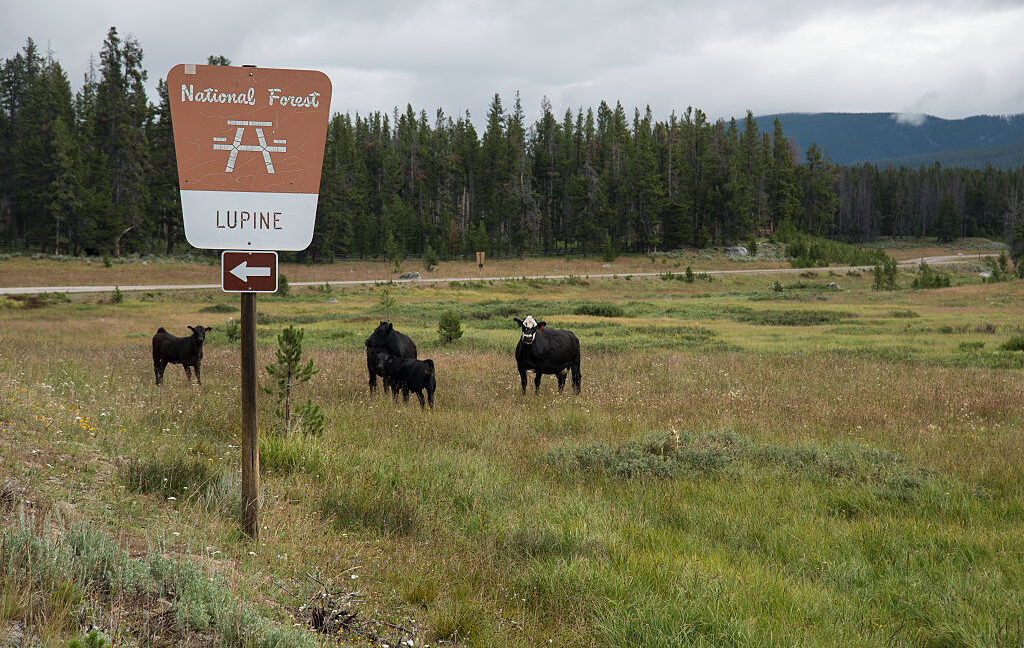
The Bureau of Land Management is overhauling grazing regulations for the first time in nearly three decades, marking a significant shift in how the federal government manages livestock use on public lands. The regulatory rewrite comes as the BLM faces pressure from multiple directions: ranchers seeking more flexibility, environmental groups demanding stricter protections, and budget constraints limiting oversight capacity.
The 1995 regulations have governed millions of acres across the western United States where ranchers graze cattle and sheep on public property. That framework established environmental standards, permit processes, and public comment periods that shaped land management decisions for nearly 30 years. The new rules appear designed to streamline operations, though the specifics remain under development.
The regulatory overhaul reduces mandatory public involvement in grazing decisions, a move that concerns environmental advocates. Previously, the BLM held hearings and accepted public comments on grazing permits and renewal applications. The revised process truncates these requirements, allowing faster permitting and fewer opportunities for outside scrutiny. Ranching interests support this acceleration, arguing that lengthy environmental reviews and public engagement delay necessary land management.
The change reflects a broader tension in public lands policy. Federal grazing permits generate revenue and support rural economies, but livestock grazing also degrades soil, water quality, and habitat for native species. Environmental groups argue that meaningful public participation ensures the BLM weighs ecological costs. Ranchers counter that excessive process stalls necessary operations and doesn't reflect on-the-ground reality.
The BLM hasn't released final regulatory language yet, but the direction signals reduced transparency in federal land management decisions. States with significant public lands, particularly in the West, will feel the impact most acutely. The timing matters too. This rewrite occurs amid broader debates about land use, climate change impacts on ranching, and whether public resources should prioritize extraction or conservation.
Environmental groups have already signaled they will challenge