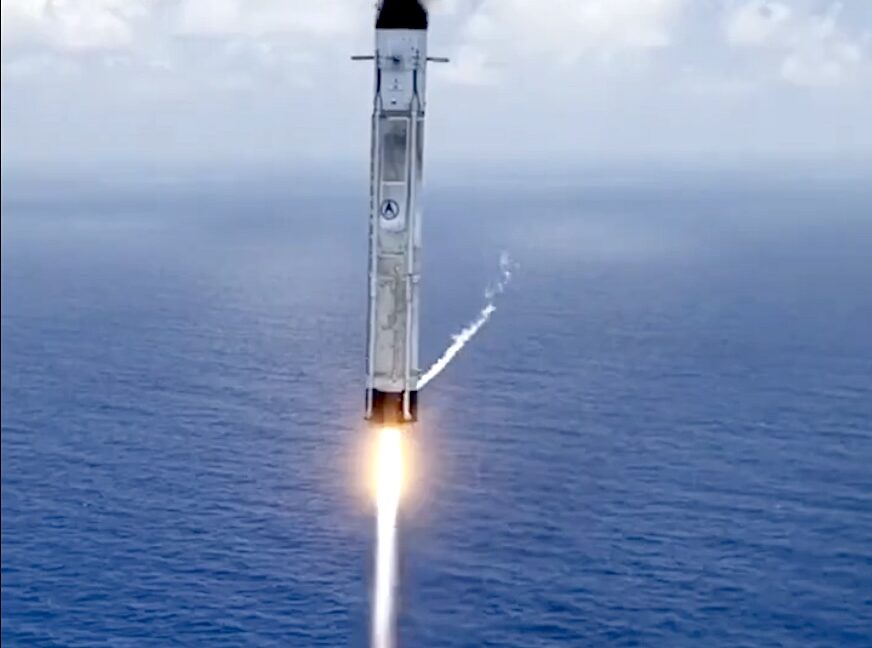
China's space agency has successfully recovered its first reusable rocket, marking a significant milestone in the country's effort to reduce launch costs and compete with SpaceX's reusable rocket technology. The recovery demonstrates China's commitment to developing a sustainable, cost-effective approach to space transportation.
The recovered rocket employed a novel recovery method distinct from SpaceX's standard approach. Rather than relying solely on powered landings, China's system uses a combination of parachutes and other mechanisms to safely return the vehicle to Earth. This hybrid recovery strategy offers a different engineering path than the vertical landing boosters that SpaceX pioneered with its Falcon 9 rocket.
The achievement signals that China recognizes the strategic importance of rocket reusability. SpaceX's Falcon 9 has fundamentally transformed the economics of spaceflight by dramatically lowering per-launch costs through booster recovery and reflight. China's space program understands this competitive advantage and has prioritized developing comparable capabilities.
According to observers familiar with China's space initiatives, the country's engineers have studied SpaceX's publicly available designs and technical achievements. Rather than copying the approach directly, Chinese engineers have adapted the concept to their own manufacturing capabilities and engineering preferences. This difference in methodology could yield insights into alternative ways to achieve reusability, potentially benefiting the broader aerospace industry.
The recovery success comes as China accelerates its commercial space sector ambitions. Private Chinese space companies like Rocket Lab alternative iSpace and Deep Blue Aerospace have also pursued reusable rocket development, indicating broader industry momentum beyond state programs.
Reusable rockets remain central to reducing space access costs. Each recovery and reflight cycle brings operational efficiencies and lower marginal launch costs. China's recovery demonstrates the technology is no longer unique to SpaceX, though significant challenges remain in achieving the flight rate and reliability necessary for truly cheap space transportation.
This development reshapes