SpaceX's Transporter rideshare missions face mounting availability constraints, prompting concerns from small satellite operators about launch access. The company has shifted focus toward higher-margin government and commercial contracts, reducing Transporter flight cadence and creating a supply crunch for smallsat developers who relied on affordable, frequent launch windows.
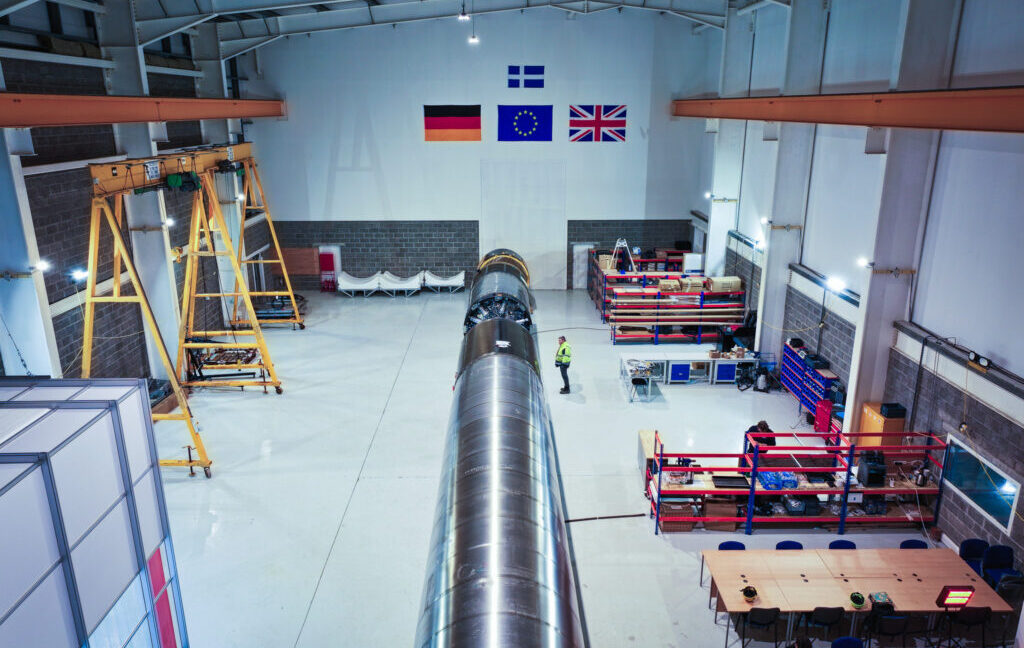
Isar Space, a German launch startup, plans to conduct its first orbital flight from Canada rather than Europe. The company selected a Canadian launch site to accelerate its development timeline and secure more flexible scheduling. This move reflects how regulatory and infrastructure bottlenecks in Europe have pushed emerging launch providers to seek alternative locations for critical test flights.
European launch companies are simultaneously ramping up operations around Ariane 6, the continent's new heavy-lift vehicle. One industry participant stated: "We are delighted to actively help shape the ramp-up of the Ariane 6." This reflects a broader European push to reduce dependence on SpaceX for launch services by developing homegrown alternatives.
The Transporter availability squeeze exposes a structural problem in the smallsat market. While SpaceX created an affordable rideshare option that democratized satellite access, the company now prioritizes higher-value missions. This leaves smaller operators searching for alternatives, with limited options available at comparable prices.
Isar's Canadian launch strategy highlights how geography and regulatory flexibility matter in launch competition. Europe's stringent environmental reviews and infrastructure constraints make rapid testing difficult. Canada offers faster permitting and established launch facilities, making it an attractive option for companies trying to reach orbit quickly.
The combination of Transporter capacity constraints and European alternatives ramping up signals a market transition. Smallsat operators will likely need to diversify launch providers rather than depend on a single vendor. Companies like Isar, Relativity Space, and others entering the market may finally deliver the launch redundancy the industry has needed, though