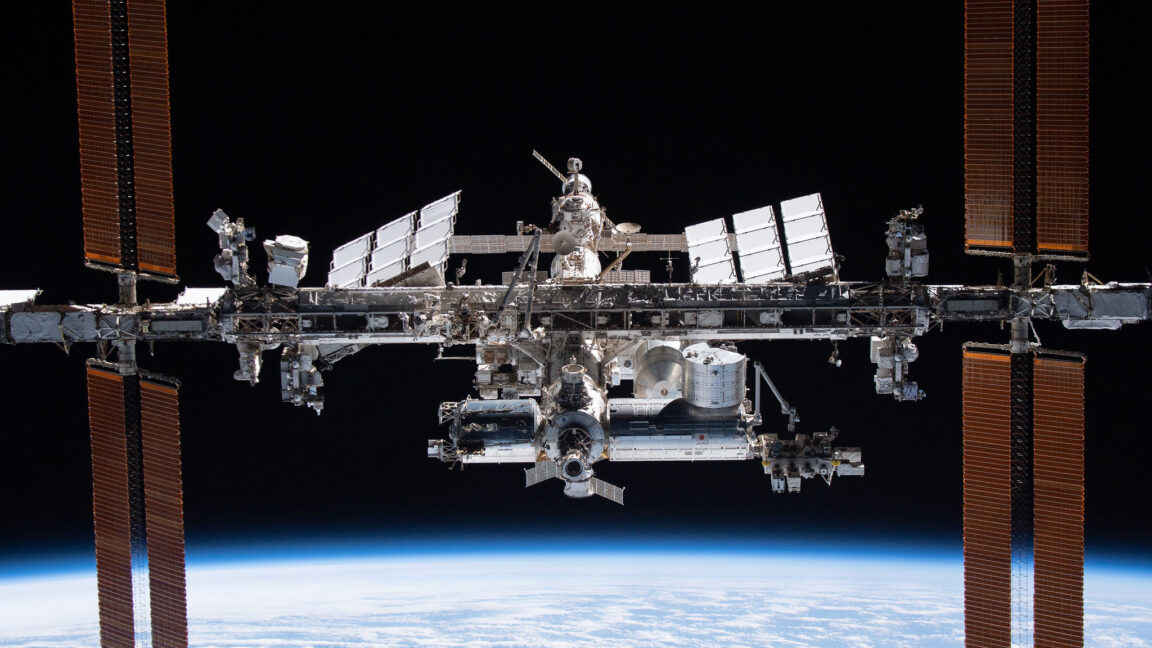
NASA has released detailed technical requirements for the private space stations it plans to support after the International Space Station is deorbited around 2030. The agency specified precise demands on station architecture, power systems, crew capacity, and docking mechanisms that commercial operators must meet to secure NASA contracts.
The specifications represent the first concrete roadmap for companies pursuing commercial orbital platforms. NASA outlined requirements for redundant life support systems, specific pressurized volumes, thermal management capabilities, and the ability to support six crew members for extended missions. Stations must dock with both crew and cargo vehicles and maintain specific orbital altitudes and inclinations.
Private companies including Axiom Space, Orbital Reef, and others have been developing commercial stations for years, but operated largely without formal government performance standards. NASA's detailed requirements shift development from speculative architecture to engineered systems that meet federal standards. The agency expects multiple stations to exist simultaneously, creating a competitive ecosystem rather than a single government-owned facility.
The specifications also address safety protocols, emergency procedures, and international cooperation frameworks. Companies must demonstrate compliance through design reviews and testing before NASA commits funding or crew assignments. This approach mirrors how NASA works with commercial cargo and crew providers for ISS resupply and astronaut transport.
The release signals that NASA's transition timeline is real and imminent. The agency previously deorbited Skylab in 1979 and Mir in 2001, but never before handed ongoing orbital operations entirely to private companies. The commercial station economy represents a fundamental shift in how space infrastructure gets built and operated.
Companies now face clear targets and timelines. Meeting these specifications requires substantial engineering work and capital investment. Success means access to a guaranteed customer in NASA, which plans to remain a user and renter of private station capacity rather than an operator. The agency's specificity removes ambiguity but also raises the bar for entry into commercial human spaceflight infrastructure.