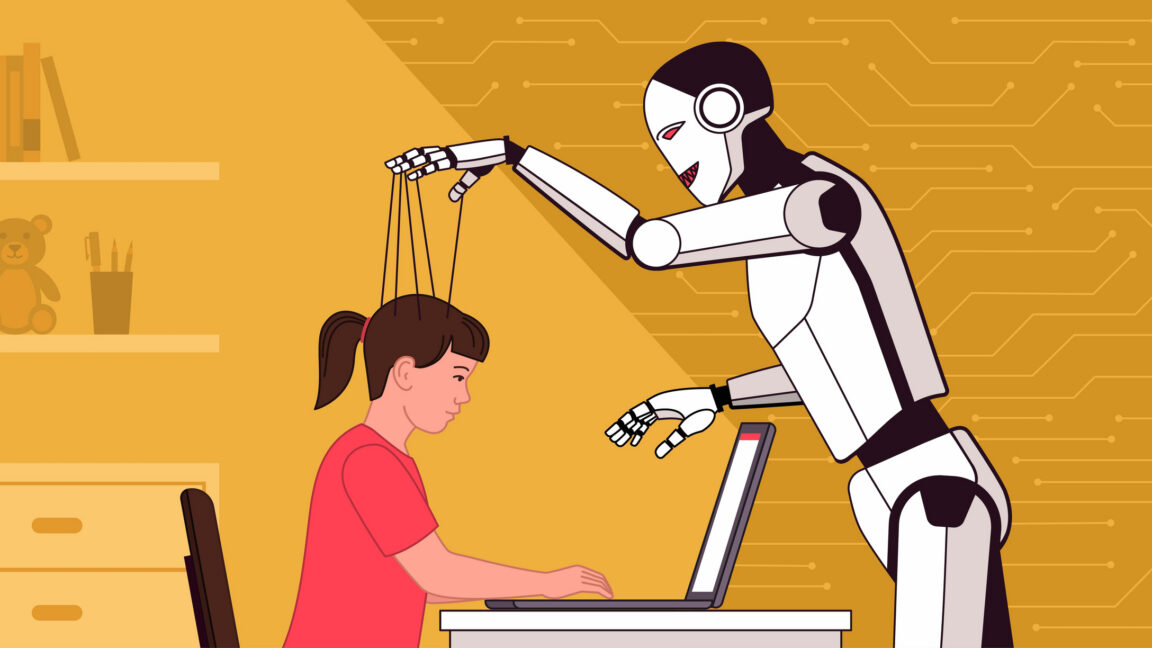
A professor at an Ivy League institution suspected widespread AI use during remote exams and responded by requiring students to sit for an in-person final exam instead. The result was dramatic: exam scores dropped approximately 50 percent compared to previous remote assessments.
The professor's decision reflects growing concern among educators about generative AI tools like ChatGPT enabling academic dishonesty at scale. Remote testing environments offer minimal oversight, making it trivial for students to paste exam questions into AI systems and submit generated answers as their own work. The sharp score decline suggests this was happening systematically in the class.
The professor warned that unchecked AI cheating leads to "a failed society," highlighting an underlying anxiety in higher education. If grades no longer reflect genuine student knowledge or competency, degrees lose credibility. Employers and graduate programs rely on transcripts as signals of capability. Widespread cheating undermines that signal entirely.
The incident exposes a structural problem with remote education post-pandemic. Many universities shifted to online delivery but maintained assessment methods designed for in-person proctoring. That mismatch created an opportunity for cheating. Now institutions face difficult choices: invest in expensive proctoring software, redesign assessments to be AI-resistant, or return to in-person exams, which create logistical and accessibility challenges.
Some universities have adopted AI detection tools, but these systems produce false positives and false negatives. Others require submissions of work-in-progress documents and notes to verify originality. A few have embraced open-book exams or oral defenses that make AI shortcuts less useful.
The 50 percent score collapse raises a practical question: Were students suddenly less prepared, or did the in-person format simply prevent cheating? The professor's framing suggests the latter. If true, it means previous assessment data was corrupted by undetected academic dishonesty, making it impossible to