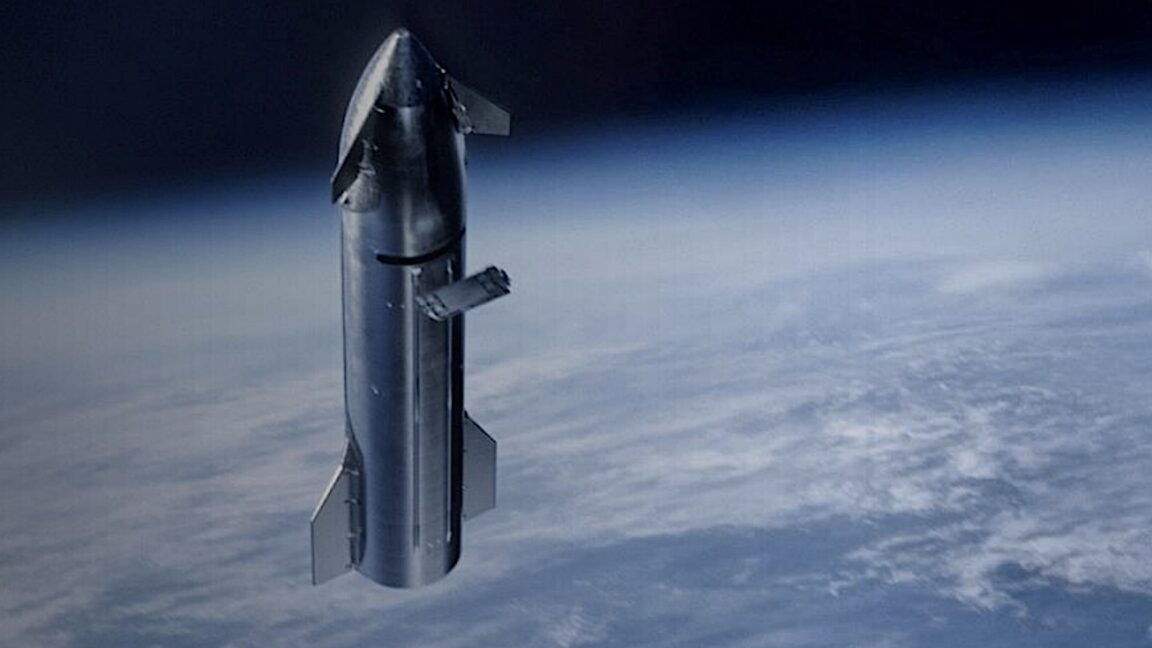
SpaceX's Starship launch system fundamentally shifts power dynamics in the space industry by offering payload flexibility that previous rockets never provided. The company's massive lift capacity and reusability model allow customers to dictate mission parameters rather than conform to rigid launch schedules and price structures that dominated the market for decades.
Traditional launch providers like United Launch Alliance and Arianespace operated under a scarcity model. Rockets launched on fixed schedules. Customers waited months or years for a slot. Prices reflected take-it-or-leave-it economics. Payloads adapted to the rocket, not the reverse.
Starship inverts this equation. The vehicle's 100-ton capacity to low Earth orbit, combined with rapid reusability targets, creates surplus launch capacity. This surplus transfers negotiating power to customers. A satellite operator can now demand specific orbital inclinations, launch windows, or deployment sequences without penalty. Small satellites can piggyback affordably rather than waiting for dedicated missions.
The "Pez dispenser" reference highlights Starship's payload bay design, which enables stacking and sequential deployment of multiple satellites or cargo. This modular approach lets customers deploy constellations efficiently without custom engineering solutions.
This shift reshapes the entire space economy. Launch prices drop when supply exceeds demand. Smaller companies can enter space markets previously locked behind launch costs exceeding $100 million. Emerging satellite operators, space-based manufacturing ventures, and commercial space station concepts become economically viable.
Competitors face existential pressure. United Launch Alliance, facing Starship's cost and capacity advantage, has consolidated operations and reduced launch cadence. European providers struggle to justify development costs for next-generation vehicles. Chinese operators compete on price but cannot match Starship's launch frequency.
The payload-dictates-terms era reflects a broader industry maturation. Rockets transition from scarce scientific infrastructure to