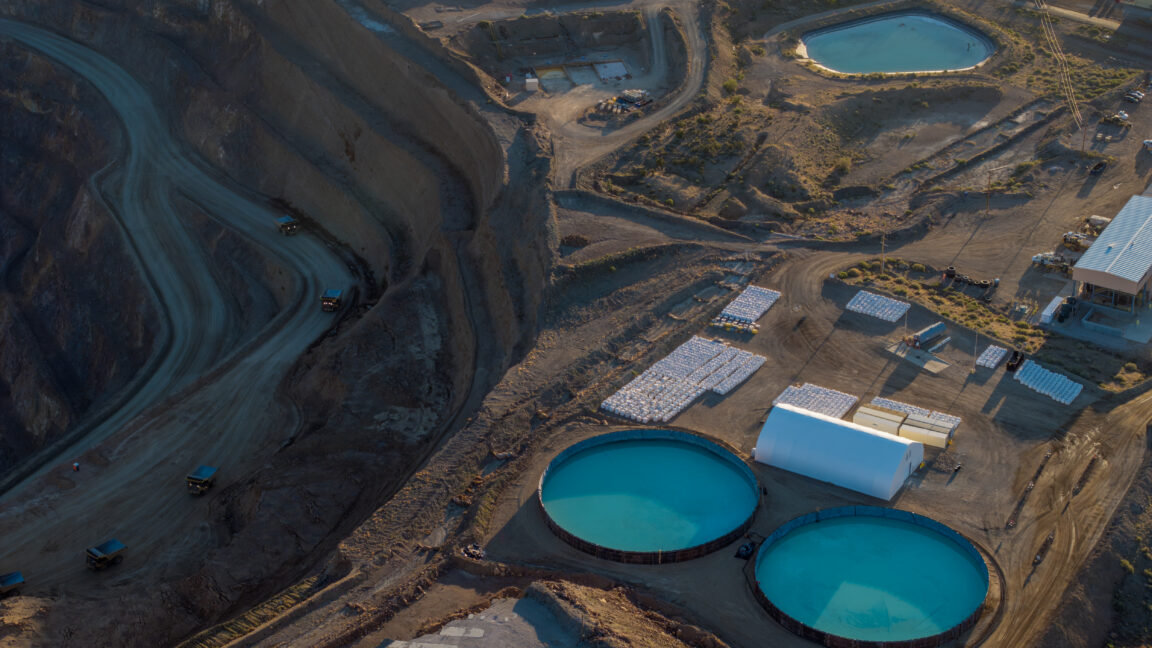
US rare earth miners are exporting significant volumes to Asia even as the Trump administration pushes to build domestic supply chains for these critical materials. Companies backed by federal support are selling processed rare earths to Japan and South Korea rather than keeping supply chains domestic.
The pattern reveals a gap between policy ambitions and market realities. US rare earth producers face weak domestic demand from manufacturers who lack established relationships with American suppliers. Asian buyers, by contrast, offer immediate customers with proven purchasing power. Japan and South Korea have long-standing ties to rare earth processors and manufacturers, making these markets more reliable outlets.
The Trump administration has prioritized rare earth independence through tax incentives, loans, and regulatory support aimed at reducing reliance on China, which controls roughly 80 percent of global processing capacity. However, building domestic demand requires manufacturers to retool supply chains, qualify new suppliers, and accept potential price premiums compared to Chinese alternatives. This takes time and involves real business risk.
Rare earths are essential for magnets in electric vehicles, wind turbines, missiles, and semiconductor manufacturing. The geopolitical stakes are high, but the economics are working against reshoring efforts. US miners can produce ore competitively, but domestic processors and manufacturers remain scarce. Without local buyers committed to purchasing American materials, miners default to established Asian markets.
The export trend undercuts stated policy goals. Federal support has opened productive capacity, but it has not created the corresponding downstream manufacturing ecosystem needed to absorb that output. Policymakers face a choice: accept continued exports while the domestic supply chain develops organically, or implement policies that force manufacturers to source domestically, which would raise costs and face resistance.
Asia's growing demand for rare earths, driven by electric vehicle production and renewable energy infrastructure, makes these markets attractive regardless of US policy. Japanese and Korean manufacturers benefit from proximity to Chinese processing facilities and established supply relationships. Until American manufacturers face clear incentives or