Michigan health officials are investigating a rapid outbreak of cryptosporidiosis, a parasitic infection causing severe diarrhea. The state has recorded more than 700 cases, with numbers climbing quickly as authorities search for a common source.
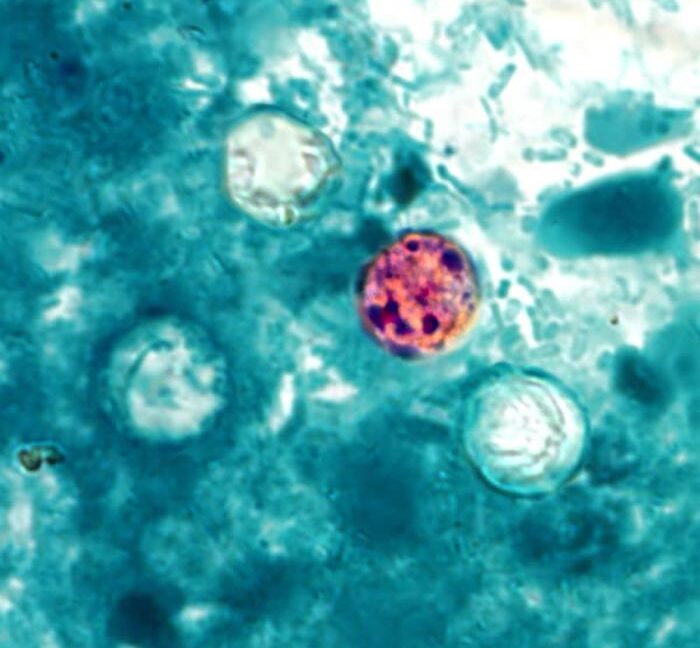
Cryptosporidium spreads through contaminated water and food. The parasite survives standard chlorination, making it a persistent threat in water systems. Infected individuals shed oocysts, the parasite's dormant form, which can survive weeks in the environment and infect others through ingestion.
Symptoms include watery diarrhea, stomach cramps, nausea, and fever. Most cases resolve within two weeks in healthy people, but immunocompromised individuals face serious complications. The infection poses particular risk to young children, elderly people, and those with weakened immune systems.
The outbreak's rapid growth suggests a concentrated contamination event rather than sporadic transmission. Investigators are examining water supplies, food sources, and recreational facilities. Common outbreak sources include public water systems with filtration failures, contaminated food products distributed across multiple locations, and swimming venues where infected individuals spread the parasite.
Michigan's Department of Health and Human Services has issued guidance to healthcare providers and the public. Testing involves stool samples and microscopy or antigen detection. Treatment focuses on rehydration and electrolyte replacement, as antibiotics prove ineffective against parasites.
The outbreak demonstrates how waterborne pathogens continue to pose public health challenges despite modern sanitation systems. Cryptosporidium has caused previous major outbreaks, including a 1993 Milwaukee incident affecting 400,000 people. Prevention requires multiple barriers: proper water treatment, hand hygiene, and avoiding consumption of potentially contaminated water and food.
Health officials urge residents with diarrheal symptoms to seek testing and avoid spreading infection to others. They recommend boiling water in affected